
In today’s digital age, the digital and e-commerce landscapes have evolved significantly. Two prominent trends have emerged as game-changers for businesses and consumers alike – Social Commerce and Shoppable Media. These terms may sound similar, but they represent distinct approaches to online shopping and marketing. In this comprehensive article, we will delve into the main differences between Social Commerce and Shoppable Media, shedding light on how businesses can leverage these strategies to drive sales and engagement.
Understanding Social Commerce
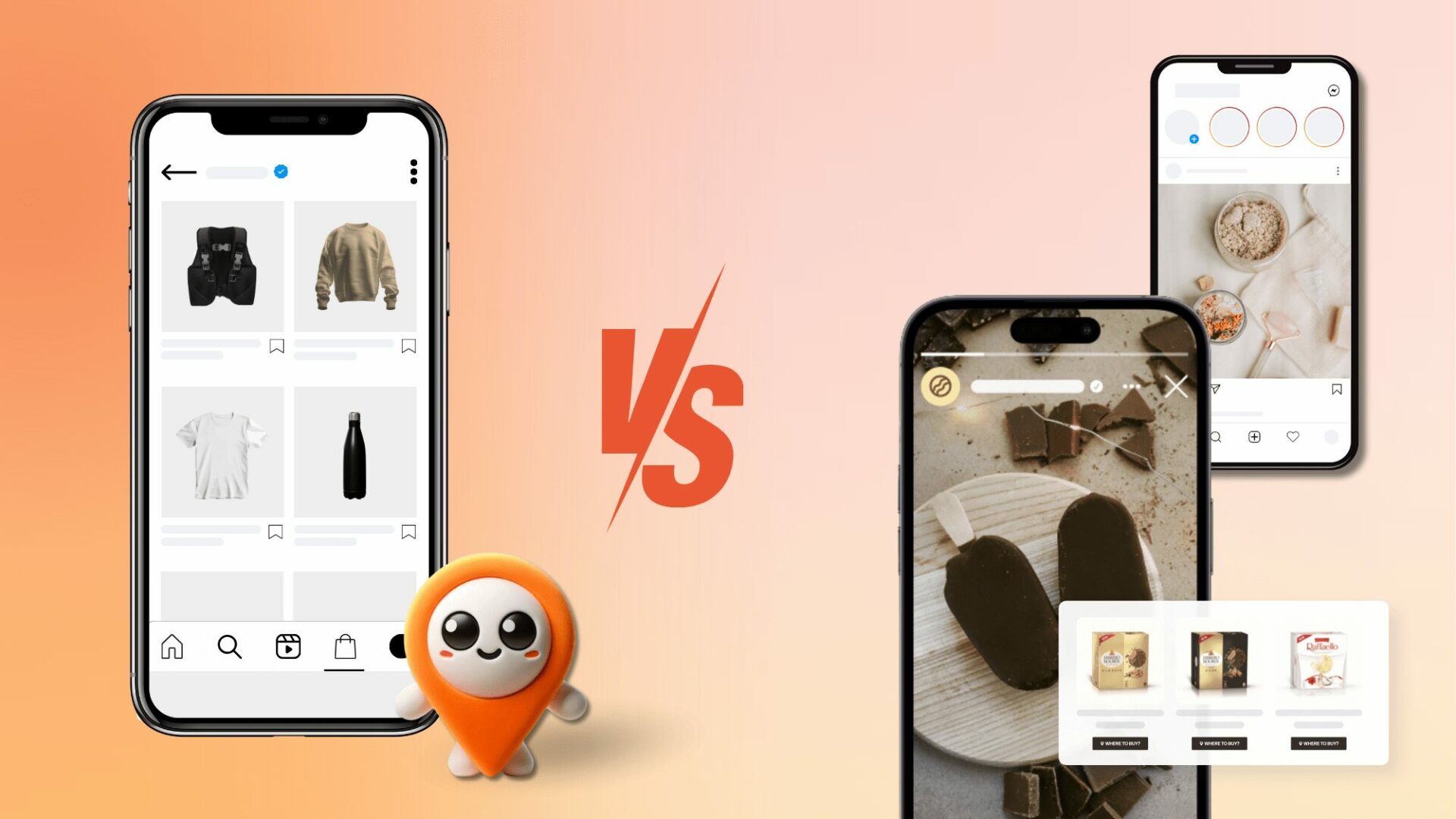
Social Commerce is a fusion of e-commerce and social media platforms. It revolves around enabling users to make purchases directly within the social media environment. This approach leverages the vast reach and engagement of social platforms to convert browsers into buyers seamlessly. A key aspect of Social Commerce is the integration of product catalogs, payment gateways, and checkout processes directly within social media posts and pages.
Key Features of Social Commerce
- Product Tags and Links: In Social Commerce, businesses can tag their products in posts, stories, or videos, allowing users to click on the tagged items to view product details and make purchases.
- In-App Purchases: Social Commerce facilitates a frictionless shopping experience by enabling users to complete transactions within the social media app itself, without redirecting to external websites.
- User-Generated Content (UGC) as Marketing: Social Commerce thrives on UGC, where influencers, customers, or brand advocates create content featuring products, making it a powerful form of word-of-mouth marketing.
- Seamless Checkout Process: By integrating payment gateways into the social media platform, Social Commerce streamlines the checkout process, reducing cart abandonment rates.
- Social Recommendations and Reviews: Users can share their experiences, reviews, and recommendations, influencing the purchase decisions of their followers, thereby fostering trust and loyalty.
Exploring Shoppable Media
Shoppable Media, on the other hand, takes a broader approach. It refers to any form of digital media that directly facilitates purchasing actions. This can include interactive images, videos, blog posts, lookbooks, and more. Shoppable Media extends beyond social platforms and encompasses various online channels, including websites, blogs, and third-party platforms.
Key Features of Shoppable Media
- Interactive Shopping Elements: Shoppable Media relies on interactive elements like clickable hotspots, buttons, or overlays that guide users to product pages or checkout pages.
- Omnichannel Integration: Unlike Social Commerce, Shoppable Media can be embedded across multiple channels, including websites, blogs, digital magazines, and partner websites, broadening the scope of customer reach.
- Personalization and Targeting: Shoppable Media often leverages user data and behavior to offer personalized product recommendations, enhancing the overall shopping experience.
- SEO and Content Marketing Synergy: Shoppable Media enhances a brand’s SEO efforts by providing engaging and shareable content that drives traffic and encourages backlinks.
- Analytics and Insights: Shoppable Media allows businesses to track user interactions, conversions, and performance metrics, enabling data-driven optimizations.
The Distinctions that Matter
While both Social Commerce and Shoppable Media have the ultimate goal of boosting conversions and sales, they differ in crucial aspects.
- Platform and Context: Social Commerce is primarily limited to social media platforms, leveraging the existing social context to drive sales. Shoppable Media, on the other hand, is more versatile, encompassing various digital channels to cater to a diverse audience.
- Engagement and Discovery: Social Commerce thrives on user engagement and social sharing, while Shoppable Media focuses on providing an immersive and interactive experience to facilitate product discovery.
- User Intent: Social Commerce often capitalizes on impulsive buying behavior, as users encounter products within their social feeds. In contrast, Shoppable Media targets users with higher purchase intent, who are actively seeking products or solutions.
- Brand Identity: Shoppable Media allows brands to retain their unique identity across different channels, while Social Commerce may limit branding opportunities due to the context of social platforms.
How to Leverage Social Commerce and Shoppable Media
As a forward-thinking business, it is essential to embrace both Social Commerce and Shoppable Media to maximize your online presence and sales potential. Here are some tips to leverage these strategies effectively:
- Content Strategy: Develop a robust content strategy that incorporates both user-generated content for Social Commerce and engaging, interactive content for Shoppable Media.
- Omnichannel Integration: Seamlessly integrate your Shoppable Media across various platforms, from your website to partner websites, to reach a wider audience and optimize your SEO efforts.
- Personalization and Recommendations: Leverage user data to provide personalized product recommendations, enhancing user experience and fostering brand loyalty.
- Social Media Advertising: Utilize social media advertising to promote your Social Commerce campaigns, reaching a broader audience and driving more traffic to your product pages.
- Data Analysis and Optimization: Constantly monitor and analyze the performance of both Social Commerce and Shoppable Media campaigns. Use the insights gained to optimize and refine your strategies for better results.
Wrapping up
To resume, both Social Commerce and Shoppable Media present valuable opportunities for businesses to enhance their online shopping experiences and boost sales. By understanding their differences and capitalizing on their unique features, you can create a holistic and effective approach to engage with your audience, drive conversions, and stay ahead in the ever-evolving e-commerce landscape.