
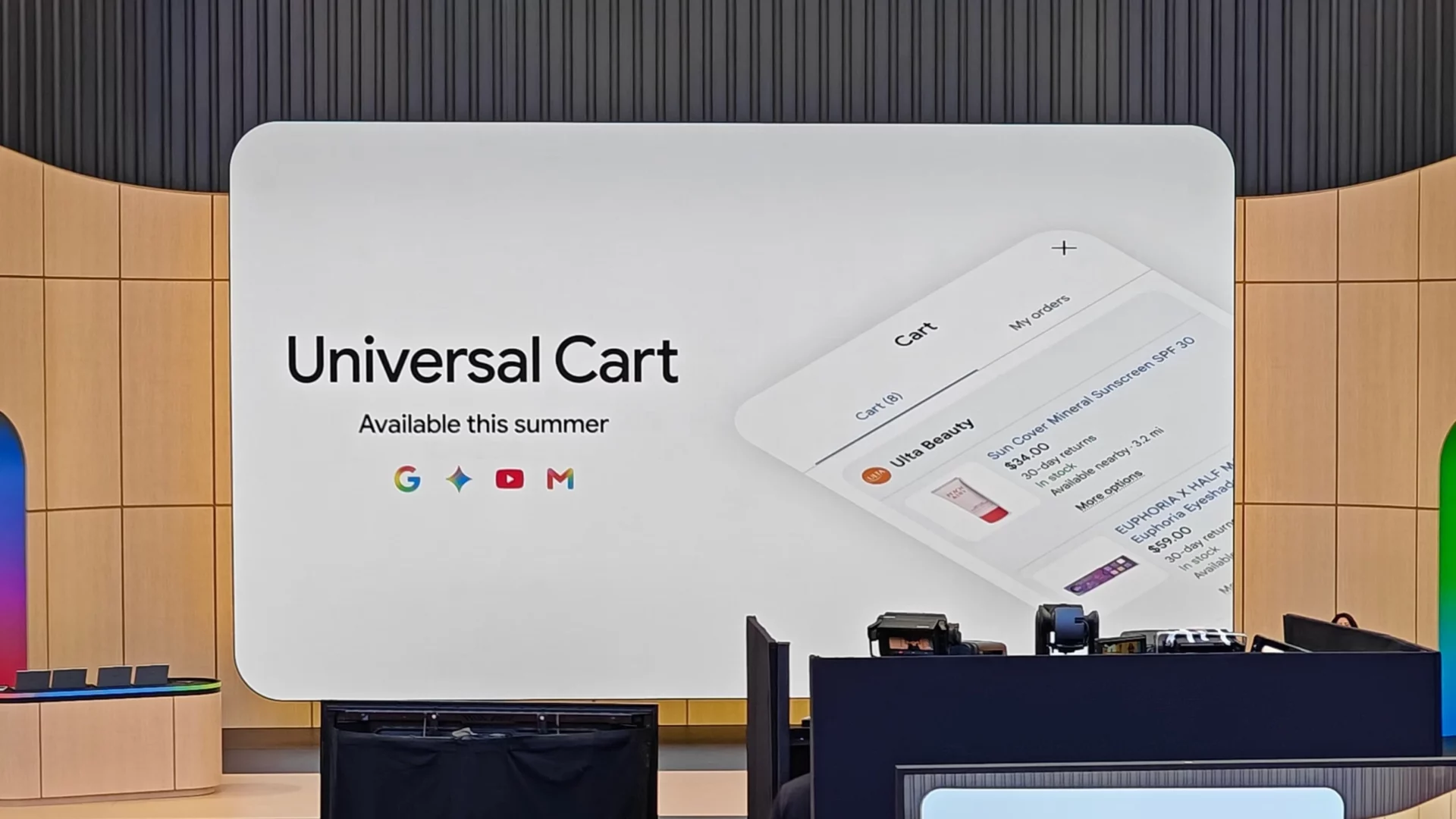
On October 15, 2026, Google launches Universal Cart in the United States. Nike, Sephora, Target, Walmart and Wayfair sign on immediately. A month later, Senator Elizabeth Warren sends a letter to Google raising antitrust concerns. In between: a quiet transformation in how customers discover and purchase your products.
Key Takeaway
Universal Cart is not just a shopping cart. It is a test: are your products visible and properly described when an AI (Gemini) searches for them? If not, you are invisible to the eyes of future discovery.
What Universal Cart Does, and Why an AI Decides
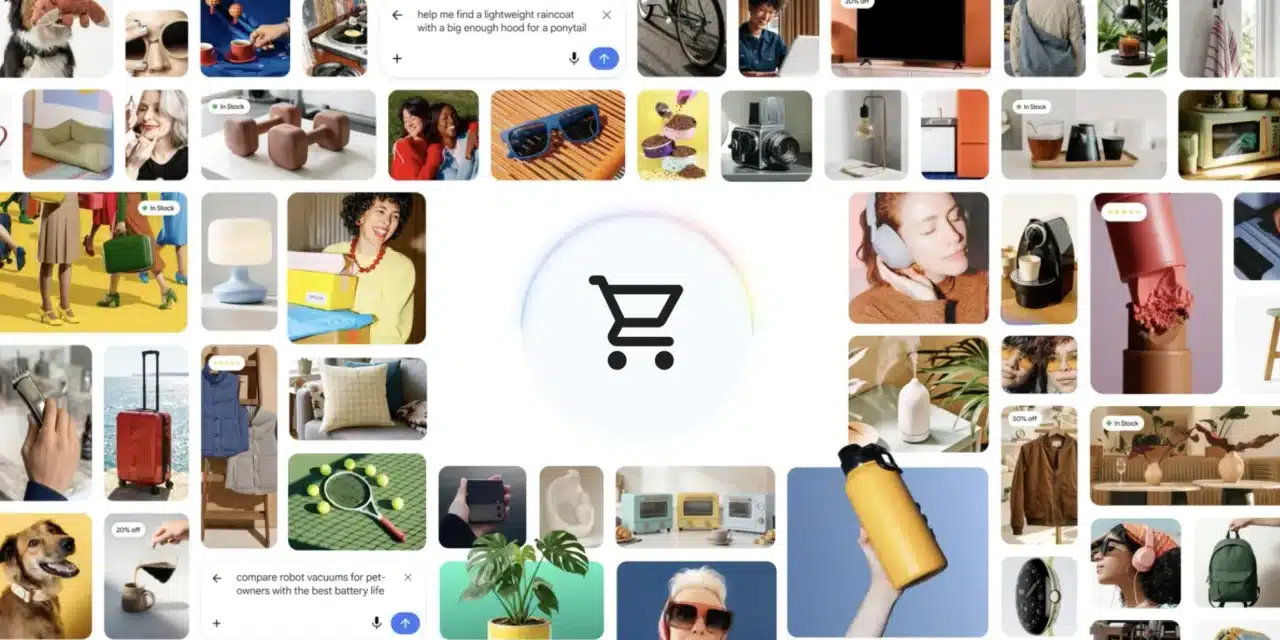
Universal Cart works simply. A customer types a query into Gemini or Google Search: “I’m looking for running shoes.” Gemini suggests options. The user adds one to their cart. They continue their session, add a Sephora product discovered elsewhere. All items live in the Google cart, not on your sites.
But here is the crucial detail: it is the AI that decides which products to display. If your product listing is incomplete, poorly structured, or lacks proper information, Google’s AI will not recommend you. You remain invisible.
This means that the quality of your product data—descriptions, dimensions, compatibility, images—is no longer just an SEO detail. It is a survival criterion. AIs read and compare your data against your competitors. Those with clear and well-structured data gain visibility.
The Challenge: Being Visible to AI, Not Just Google
Before Universal Cart, the journey was straightforward. Customer searches, Google displays results, customer clicks, sale closes at the retailer. Today, a new intermediary enters the picture: the AI reads your data, decides if your product deserves recommendation, and either showcases or ignores you.
68% of French consumers plan to use AI for their year-end shopping, according to Klaviyo. These assistants compare prices, availability, specifications. An incomplete product listing or poorly tracked inventory at a reseller becomes a disadvantage before the consumer even reaches your site.
Important
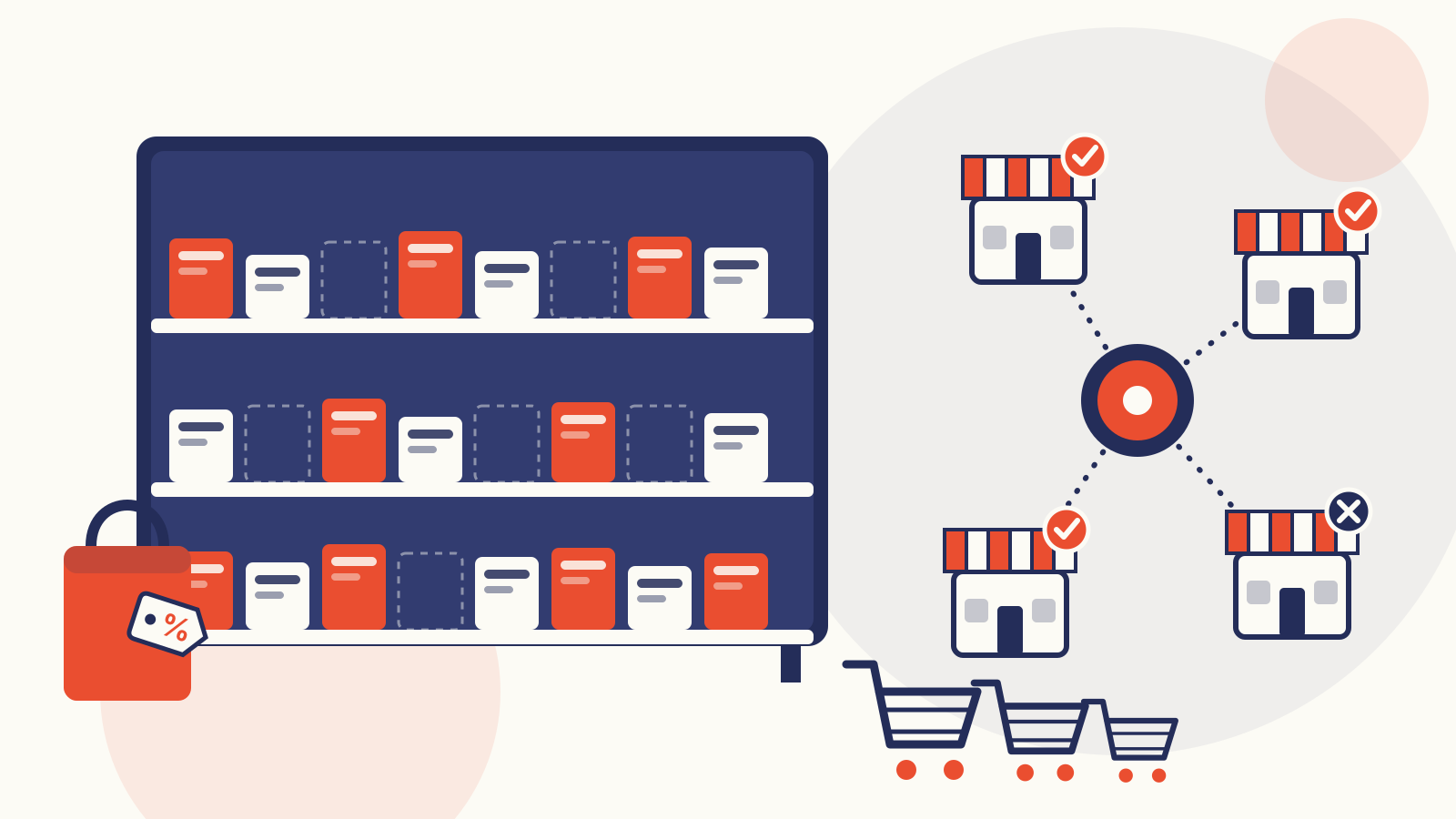
Click2Buy ensures that your product data is identical across every retailer and updated in real time. This is what AIs read. Without consistency in your data, you lose AI visibility, even if your product is excellent.
What Retailers Lose (and What They Stand to Gain by Improving)
Before Universal Cart, the cart lived with you. On your site, under your control, with your data. You knew who added what, when they saw the price drop. Today, this dynamic has changed.
The cart is no longer yours. The user manages their cart in Google, not on your site. You do not know they have your product waiting elsewhere. Discovery now passes through AI and your visibility depends on the quality of your data and how the AI interprets it. Retargeting escapes you because cart abandonment data belongs to Google, not you. And price competition intensifies when a customer can compare three brands in a single cart and the only remaining argument is price.
But there is a counterattack: control your data. If you ensure that your product listings are complete, consistent, and up to date across all distribution channels, you gain AI visibility. This is where Click2Buy Where-to-Buy comes in. It unifies your product data across all retailers and ensures that Google’s AI, and others, always sees the right version.
Why the Giants Signed Immediately
Google represents 92% of search traffic in the United States. If Universal Cart concentrates Google Search and Gemini attention on your product and your AI visibility depends on your data quality, then ignoring the service means accepting invisibility.
Nike, Sephora, Target, Walmart and Wayfair all signed in October 2026. This is not a strategic choice. It is a survival choice. And it is also a tacit acknowledgment: AI visibility is now as important as Google visibility.
The Antitrust and Regulatory Problem
Senator Elizabeth Warren posed the question directly. Why can Google operate a marketplace (Universal Cart), sell advertising (Google Shopping), and collect data from all retailers? This is a vertically integrated conflict of interest.
But there is a second, less visible problem: how Google’s AI ranks products. If Google controls the algorithm, it controls who shows up first. For a retailer without AI optimization expertise, there is a risk of becoming invisible without knowing it.
| Element | Challenge | Solution |
|---|---|---|
| Consistent product data | AI sees different versions at each retailer | Unified via Where-to-Buy |
| AI visibility | Without complete data, invisibility in Gemini | Data audit plus optimization |
| Real-time availability | AI recommends out-of-stock products | Stock sync via Where-to-Buy |
| Distribution visibility | Some retailers missing from Google cart | All retailers present and visible |
How to Prepare Your AI Visibility Now
Universal Cart does not exist in France yet. But those who prepare now gain a competitive advantage.
Start by auditing your data at each retailer. Are descriptions identical? Dimensions complete? Images high quality? AIs compare. Inconsistencies hurt your AI credibility. Next, ensure availability is updated in real time. If AI recommends you and the product is out of stock, that is a poor experience. Your inventory must be known everywhere, always. Finally, optimize for AI assistants, not just Google. Gemini, ChatGPT and Claude all read your product listings. The richer and more structured they are, the better they rank.
This is where Click2Buy helps retailers: unify data, keep inventory current, ensure your distribution is visible and visible to AI.
Avoid
Launching a Gemini or Google Shopping campaign without first auditing your data at the retailers involved.
Best Practice
Ensure your data and inventory are current everywhere before any AI or media activation. Click2Buy provides this visibility.
Outlook: France and the AI Revolution
Universal Cart does not yet exist in France. But the logic behind it, letting AI decide your visibility, is already here. Every ChatGPT query, every question asked to Gemini, is an opportunity for you to be invisible or visible. It all depends on your data quality.
Retailers who master their AI visibility with complete, consistent and current data gain market share. Others remain invisible, even if they are good.
Does Universal Cart exist in France?
Not yet. Google has announced no rollout in France for October 2026. Only the United States is affected for now.
Why is AI visibility important?
Because it is Gemini (Google’s AI) that decides which products to display. If your data is incomplete, you are invisible to AI.
How do I prepare my data?
Ensure your descriptions, dimensions, images and inventory are identical and current across all retailers. AIs read and compare.
Sources
- MediaPost – Google Universal Cart Launch 15 October 2026
- 9to5Google – Technical Details and Feature Breakdown
- Google Official Blog – Universal Cart Announcement

Hugo, Marketing at Click2Buy
« Universal Cart or not, the issue remains the same: your data and your distribution must be visible to AI, just as they must be visible to customers. »