
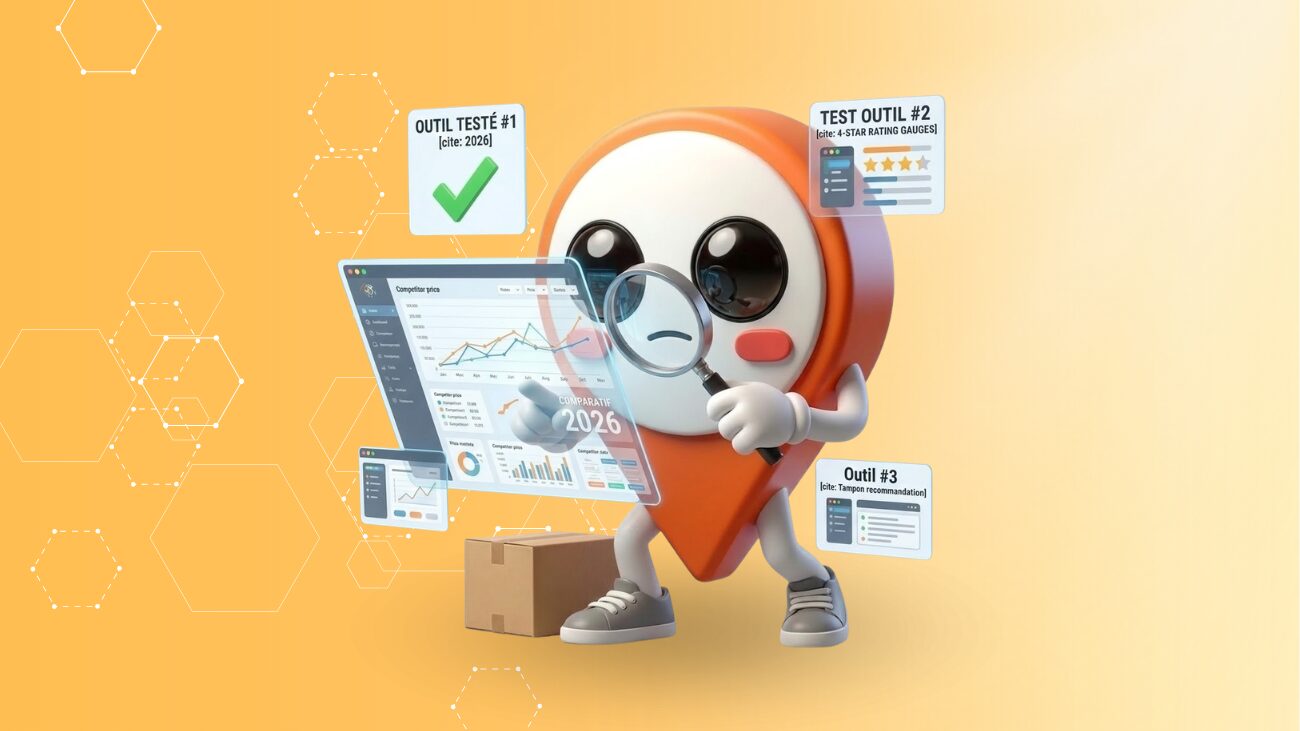
Chaque année, de nouveaux outils de veille tarifaire apparaissent sur le marché. Et chaque année, les mêmes questions reviennent : lequel choisir ? Sont-ils vraiment différents ? Pourquoi certaines marques en changent après six mois ? Ce comparatif 2026 ne prétend pas être exhaustif. Il essaie d’être honnête – sur ce que ces outils font bien, sur ce qu’ils ne font pas, et sur comment choisir en fonction de votre contexte réel.
Vous gérez moins de 500 SKUs sur quelques retailers nationaux ? Partez sur un outil entrée de gamme type Prisync ou Price2Spy.
Vous avez un réseau de distribution large, des besoins de mises à jour fréquentes et des enjeux de pricing complexes ? Regardez Minderest, Netrivals ou une solution intégrée comme Click2Buy qui couple veille prix et données de présence produit.
Vous voulez à la fois surveiller les prix ET piloter la disponibilité produit chez vos distributeurs ? Une plateforme qui connecte ces deux dimensions vous fera gagner du temps et de la cohérence dans l’analyse.
Ce que les outils de price monitoring ont en commun – et pourquoi ça ne suffit pas
La plupart des logiciels de veille concurrentielle reposent sur le même mécanisme de base : du price scraping automatisé, une interface de visualisation et des alertes en cas d’écart de prix. C’est utile. Mais ce socle commun masque des différences importantes sur la fréquence de collecte, la couverture géographique, la gestion des promotions et bundles, et la fiabilité des données remontées.
Un outil qui scrape une fois par jour ne vous aidera pas à réagir à une guerre des prix qui se joue en quelques heures. Un outil qui couvre 50 sites mais pas vos 3 retailers principaux ne sert à rien. Avant de comparer les prix des solutions, comparez ce qu’elles font vraiment dans votre contexte. C’est le filtre n°1.
Les principaux outils du marché en 2026
Le marché s’est consolidé autour de quelques acteurs bien positionnés, avec des approches différentes selon la cible et le niveau de sophistication recherché. Voici un tour d’horizon des solutions les plus utilisées par les marques en distribution indirecte.
- Prisync : solution accessible, bien adaptée aux PME et ETI. Interface claire, mise en place rapide, tarification basée sur le nombre de produits suivis. Limite : couverture internationale perfectible et peu d’options d’intégration avancées.
- Price2Spy : positionnement similaire à Prisync, avec une bonne couverture de retailers e-commerce. Utilisé surtout pour du benchmark prix concurrents sur des catalogues larges.
- Minderest : solution plus robuste, pensée pour les équipes pricing qui ont besoin de données fréquentes et d’analyses poussées. Bonne couverture internationale, mais onboarding plus long.
- Netrivals : fort sur le e-commerce pur, avec des fonctionnalités de repricing automatique intéressantes pour les acteurs qui vendent en direct.
- Click2Buy : approche différente – la veille tarifaire s’intègre dans une vision plus large qui inclut la disponibilité produit, la présence chez les distributeurs et la mesure de l’impact des campagnes. Pertinent pour les marques qui veulent croiser données prix et données de performance retail.
Pour les marques qui hésitent entre Prisync et une alternative plus adaptée à leur structure, cet article détaille les raisons de chercher une autre solution selon votre taille et vos besoins.
Comparatif des outils : ce qui différencie vraiment les solutions
| Outil | Cible principale | Fréquence de collecte | Couverture retailers | Point fort | Limite |
|---|---|---|---|---|---|
| Prisync | PME / ETI | Quotidienne | Nationale | Simplicité, prix accessible | Peu d’intégrations |
| Price2Spy | PME / ETI | Quotidienne | Nationale à internationale | Large catalogue de sites | Interface vieillissante |
| Minderest | Grands comptes | Temps réel / haute fréquence | Internationale | Données fiables et fréquentes | Onboarding long, coût élevé |
| Netrivals | E-commerçants | Haute fréquence | Européenne | Repricing automatique | Moins adapté à la distribution indirecte |
| Click2Buy | Marques en distribution indirecte | Continue | Multi-retailers personnalisable | Veille prix + présence produit + performance campagnes | Périmètre plus large que la veille prix seule |
Ce que les comparatifs classiques ne disent pas
La plupart des comparatifs s’arrêtent aux fonctionnalités. Ce qu’ils n’évaluent pas : la qualité réelle des données scrappées, le taux d’erreur sur les prix remontés, la gestion des cas tordus (prix barré, offre groupée, prix selon la localisation). Or c’est là que les outils divergent vraiment.
On observe aussi une différence significative dans la façon dont les outils gèrent les ruptures de stock. Certains continuent à remonter un prix même quand le produit est indisponible – ce qui fausse l’analyse. Un bon outil de price intelligence doit croiser statut de disponibilité et niveau de prix pour donner une image fidèle du marché. C’est d’ailleurs pour cette raison que la veille tarifaire e-commerce gagne à être automatisée avec une vision distributor-first.
Les critères de choix qui comptent vraiment
Au-delà des fonctionnalités listées dans les brochures, voici ce qu’il faut évaluer concrètement avant de signer :
- La couverture réelle de vos retailers prioritaires – demandez une démo sur vos propres produits, pas sur des exemples génériques
- La fréquence de mise à jour adaptée à votre secteur – si vos concurrents changent leurs prix plusieurs fois par jour, une collecte quotidienne ne suffit pas
- La capacité à détecter les promotions et les prix barrés – un prix affiché n’est pas toujours le prix réel payé
- Les options d’alerte et d’intégration avec vos outils de pilotage existants
- Le niveau de support et d’accompagnement – surtout si vous n’avez pas d’équipe dédiée au pricing
Pour les marques qui utilisent déjà une solution where-to-buy et veulent comprendre comment articuler suivi des prix et suivi des prix distributeurs avec la mesure de performance globale, les KPIs qui révèlent vraiment l’intention d’achat donnent un cadre utile pour ne pas piloter en silo.
Comment choisir le bon outil de veille tarifaire en 2026 ?
Tout dépend de votre contexte. Une PME qui suit une centaine de références chez quelques distributeurs n’a pas besoin du même outil qu’un grand compte qui monitore des milliers de SKUs sur des dizaines de retailers. Les critères clés à regarder : la couverture des sites surveillés, la fréquence de mise à jour des prix, la qualité des alertes et le niveau d’intégration avec vos outils existants. Avant de comparer les prix des outils, comparez ce qu’ils font vraiment.
Pourquoi les outils de price monitoring ne donnent pas tous les mêmes résultats ?
Parce qu’ils ne collectent pas la donnée de la même façon. Certains scrapent en temps réel, d’autres en batch quotidien. Certains couvrent des milliers de sites, d’autres se limitent aux grands retailers. Et la façon dont ils gèrent les variations de prix selon les régions, les promotions ou les bundles change tout. Deux outils peuvent surveiller le même produit chez le même distributeur et remonter des prix différents. Ce n’est pas un bug, c’est une question de méthode. C’est précisément ce qu’il faut comparer avant de choisir.
Combien coûte un outil de competitive price monitoring en 2026 ?
Les fourchettes sont larges : on trouve des solutions à partir de 50-100 euros par mois pour les outils d’entrée de gamme ciblant les PME, jusqu’à plusieurs milliers d’euros mensuels pour les plateformes enterprise avec couverture internationale et mises à jour en temps réel. La plupart des acteurs du marché pratiquent une tarification basée sur le nombre de SKUs surveillés et le nombre de sites couverts. Attention aux coûts cachés : intégrations, onboarding, support dédié. Le prix de l’outil est rarement le vrai coût total.
23 avis

Maxence Antao, Chargé de communication chez Click2Buy
« Notre rôle chez Click2Buy : guider nos clients tout au long du parcours d’achat et optimiser leur ROI marketing grâce aux stocks retailers en temps réel. »