
You have clicks. Sometimes a lot of them. Dashboards going up. Campaigns that “perform.” But when the CEO asks, “Is it actually selling?”, the room goes quiet. That’s where everything matters. Between the click and the checkout, there’s a whole world. And that world is managed with the right where to buy KPIs.
In plain terms: a click proves nothing. What matters is the quality of the redirection, what users do on the retailer side, and the consistency between your marketing channels and the retail performance you observe. The right indicators help you move from flattering traffic to measurable digital purchase intent.
From Click to Purchase Intent: The Where To Buy KPIs That Reveal Real Sales
The click-volume trap
Here’s the on-the-ground reality: a media campaign drives users to a where-to-buy module. Clicks spike. Everyone’s happy.
So why does it still fall apart? Because retailer click tracking is only the starting point. A click can reflect curiosity, a quick comparison, or even a misclick. It says nothing about real conversion.
What we recommend: look at the retail redirection rate in detail. Which retailers capture the traffic? Which products generate the most interest? Which channels show the strongest signals?
With a where-to-buy setup, you’re not just displaying retailer logos. You know exactly where traffic goes — and, more importantly, what it reveals in terms of intent.
What truly reveals purchase intent
Second reality: marketing teams talk traffic, sales teams talk sell-out. Different languages. Same objective. The result is often misunderstanding.
Why it gets stuck: digital-to-retail conversion isn’t always visible from the brand side, especially in indirect distribution.
What we measure in practice:
- Engagement depth after redirection (specific product page vs generic landing page).
- Repeat clicks on the same product.
- Consistency between media pressure and redirection spikes.
- Variations by retailer, area, or channel.
By combining these purchase-intent data points, you get closer to business reality. This isn’t wishful thinking — it’s behavioral reading. You may not see the final transaction, but you do see the signals that come right before it.
From marketing to retail performance
Third reality: a CMO must justify budgets. A Brand Manager must defend product presence. A Retail Manager must coordinate the ecosystem.
If your where to buy performance isn’t connected to what’s happening on the ground, you’re steering blind.
What we recommend: integrate where-to-buy indicators into your retail performance reporting. Not on the side. Not as an appendix. At the core.
| KPI analyzed | What it truly indicates | Business impact |
|---|---|---|
| Redirection rate by product | True offer attractiveness | Helps prioritize media investments |
| Traffic split by retailer | Retailer preference | Supports negotiations with retail partners |
| Campaign / click-spike correlation | Direct effect of activations | Measures drive-to-store impact |
| Most-viewed products | Strong intent vs simple curiosity | Optimizes assortment and pricing |
This table is simple. But used well, it changes the conversation in the executive room.
Connecting where to buy, pricing, and product availability
Another field reality: you invest media dollars behind a product… that isn’t available or is poorly positioned at certain retailers.
It happens more often than you’d think.
A strong approach doesn’t stop at where-to-buy analytics. It should also monitor product availability, price gaps, and overall ecosystem consistency.
When you combine retailer performance management with pricing data, friction points become obvious fast: out-of-stocks, competitive price drops, pricing inconsistency.
Data quality on the retailer side is far from a theoretical issue. It directly determines how reliable your analysis is.
What an intent-led approach really changes
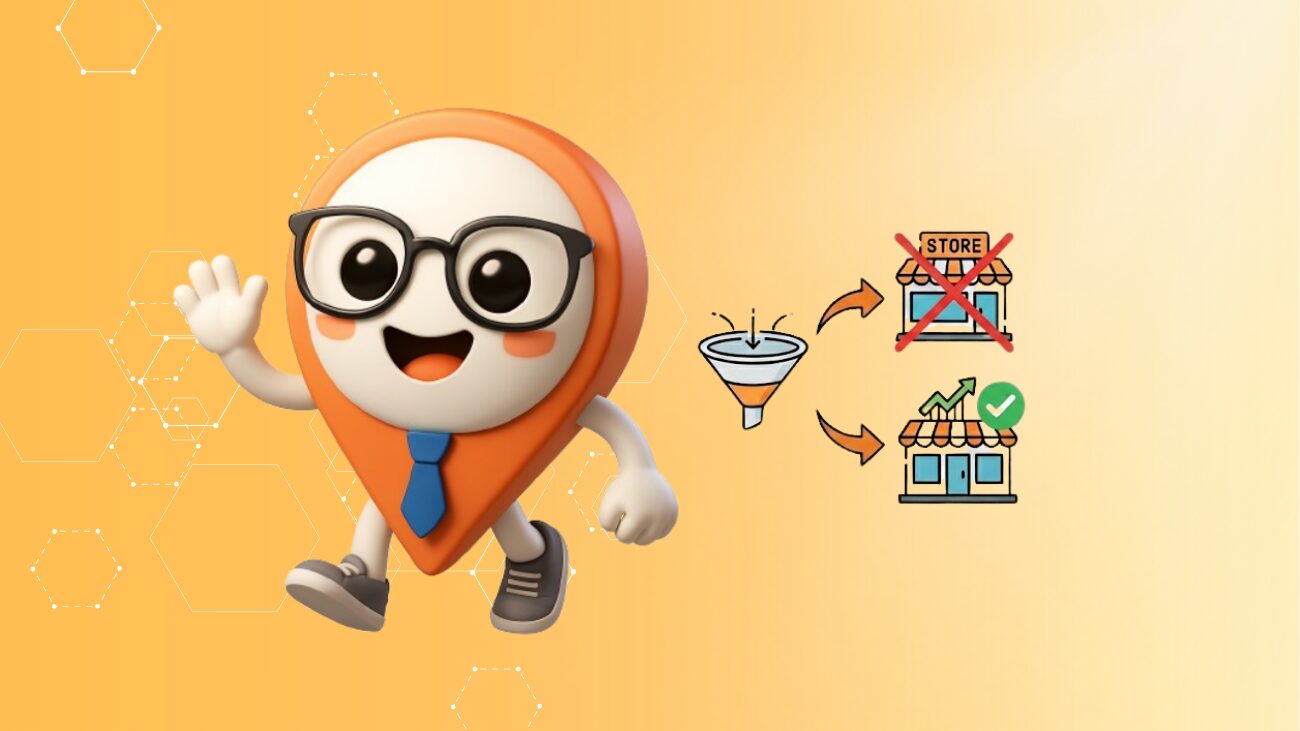
When you move from a click mindset to real retail-sales indicators, a few things happen:
- Media budgets are allocated based on real impact, not volume.
- Discussions with retailers become fact-based.
- Omnichannel purchase-journey optimization becomes continuous.
- Indirect sell-out measurement is built on tangible signals.
We’re not claiming to see every receipt. We don’t know everything. But we know far more than what most brands leverage today.
And that’s where the difference is made: between a brand site that generates traffic… and a digital ecosystem that reveals, channel by channel and product by product, where value is actually created.
How do where to buy KPIs truly measure purchase intent and real retail sales?
Because they do more than count clicks. Where to buy KPIs analyze retailer redirections, engagement rates, and traffic quality to identify true purchase intent. By combining these signals, you move from a simple curiosity metric to a concrete indicator of performance and potential sales.
Why aren’t where to buy clicks enough to prove real sales?
Because a click shows interest, not a transaction. To talk about real sales, you need to analyze what happens after redirection: traffic quality, engagement on the retailer side, and purchase-intent signals. That shift from click volume to depth of analysis is what makes the difference.
How do you move from a simple where to buy click to a true purchase-intent measurement?
By going beyond click volume. You need to analyze retailer redirections, engagement rate, and signals of real interest. By combining these KPIs, you turn simple traffic into a concrete indicator of purchase intent and retail performance.
16 reviews

Maxence Antao, Communications Officer at Click2Buy
“Our role at Click2Buy: guide our customers throughout the purchase journey and optimize their marketing ROI with real-time retailer stock data.”