
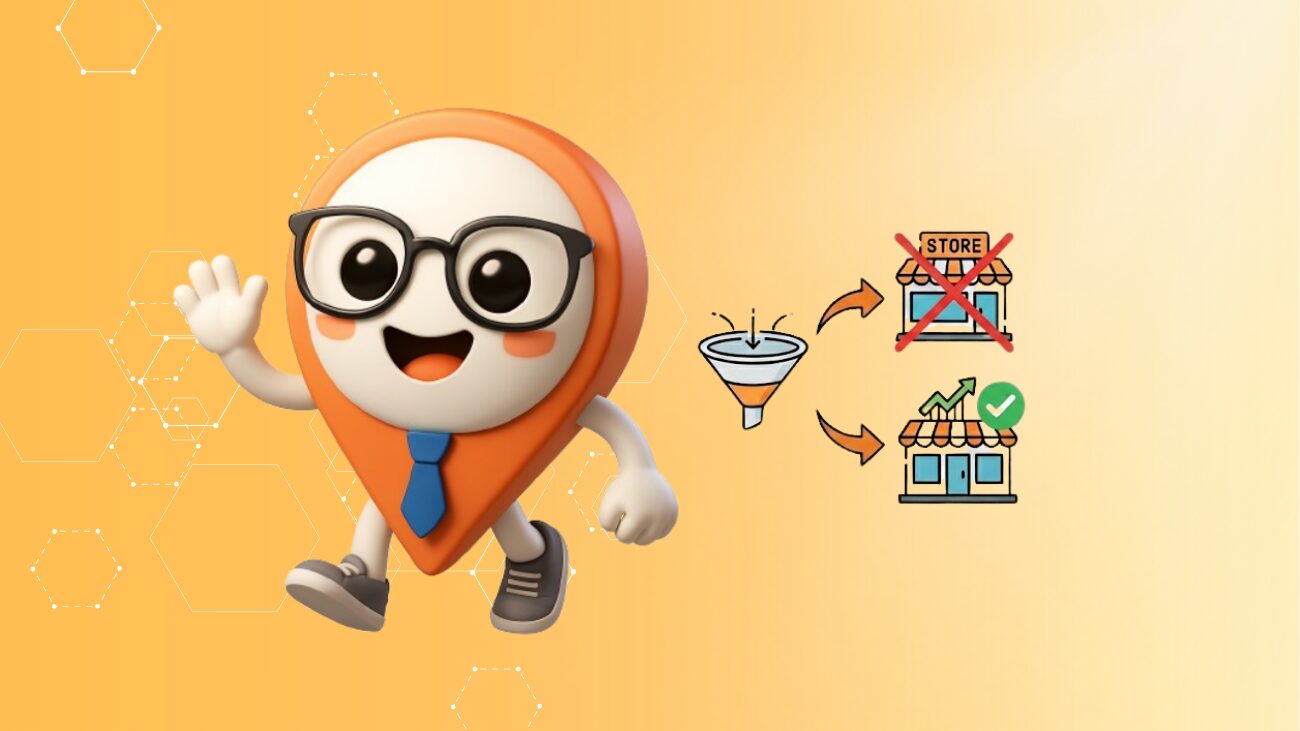
Une campagne drive-to-store qui ne convertit pas, c’est rarement un problème de budget. C’est presque toujours un problème de chaîne. Quelque part entre l’impression publicitaire et la visite en magasin, quelque chose casse. Et dans la plupart des cas, personne ne sait exactement où. On va corriger ça pour restaurer une vraie conversion drive-to-store.
Pourquoi la conversion drive-to-store est plus fragile qu’il n’y paraît
Le principe semble simple : diffuser une annonce, attirer un consommateur en point de vente. En pratique, le parcours est truffé de micro-frictions. Un ciblage trop large, une offre floue, un stock absent en rayon, et c’est toute la campagne qui part en fumée. Le pire, c’est que les indicateurs de surface – impressions, clics, reach – peuvent sembler bons pendant que la conversion drive-to-store s’effondre silencieusement.
Voici les 12 causes les plus fréquentes, celles qu’on retrouve terrain après terrain.
Les 12 causes qui bloquent la conversion drive-to-store
- Un ciblage géographique trop large – Toucher des gens à 40 km d’un point de vente, c’est gaspiller du budget. Le rayon pertinent dépend du produit et de la catégorie, mais dans la plupart des cas, au-delà de 15 km, l’intention de déplacement chute drastiquement. Une étude récente publiée par Harvard Business Review nuance même cette approche : ce n’est pas la distance absolue qui prédit le mieux l’efficacité publicitaire, mais la proximité relative par rapport aux concurrents.
- Un message déconnecté du contexte local – Une créa nationale diffusée sans adaptation locale génère peu d’engagement. Le consommateur veut savoir si le produit est disponible près de chez lui, pas juste que la marque existe.
- L’absence de mention du point de vente – Ne pas nommer le distributeur dans l’annonce, c’est laisser le consommateur faire le travail de connexion seul. Beaucoup ne le font pas.
- Une offre promotionnelle peu différenciante – « -5% » sur un produit à 12€ ne fait pas bouger les gens. L’offre doit justifier le déplacement. Si elle ne le fait pas, le clic reste un clic.
- Un timing de diffusion inadapté – Diffuser en semaine pour des achats qui se font le week-end, ou le soir pour des magasins fermés, détruit la pertinence de la campagne en temps réel.
- Des ruptures de stock non anticipées – C’est la cause la plus sous-estimée. Le consommateur est convaincu, il se déplace, le produit n’est pas là. Non seulement la visite est perdue, mais la confiance aussi.
- Une landing page qui ne redirige pas vers le bon distributeur – Renvoyer vers la homepage de la marque au lieu d’un where to buy clair, c’est ajouter une friction inutile juste avant la conversion.
- L’absence de données de performance exploitables – Sans savoir quels canaux déclenchent réellement des visites, on optimise à l’aveugle. On coupe ce qui marche, on garde ce qui ne marche pas.
- Un écart entre la promesse digitale et l’expérience en magasin – L’annonce promet une offre exclusive, le rayon ne la met pas en avant. Le gap entre le digital et le terrain est souvent sous-estimé.
- Des distributeurs non valorisés sur les supports de marque – Si les partenaires retail ne voient pas de trafic qualifié arriver de la marque, ils investissent moins dans la mise en avant du produit. C’est un cercle vicieux.
- Un manque de cohérence entre les canaux – Une campagne social ads qui dit une chose, une newsletter qui en dit une autre, et un site vitrine qui n’en dit aucune. Le consommateur se perd, ou abandonne.
- L’impossibilité de mesurer l’impact réel – Sans attribution claire entre campagne et visite, impossible de mesurer l’impact réel de vos campagnes drive-to-store et de justifier les budgets en interne. Le marketing local devient une ligne de coût, pas un levier de performance.
Ce que ça change quand on corrige ces points
Corriger ces 12 causes ne demande pas de tout reconstruire. Dans la plupart des cas, 3 ou 4 ajustements ciblés suffisent à faire remonter significativement le taux de conversion magasin. La clé, c’est de savoir lesquels attaquer en premier – et pour ça, il faut de la donnée. C’est exactement le type de travail qui permet de rétablir durablement la conversion drive-to-store.
Un tableau pour visualiser rapidement la nature de chaque blocage et le levier de correction associé :
| Cause | Type de blocage | Levier de correction |
|---|---|---|
| Ciblage géographique trop large | Technique | Réduire le rayon, segmenter par zone de chalandise |
| Message sans ancrage local | Créatif | Personnalisation par distributeur ou zone |
| Absence de mention du point de vente | Créatif | Intégrer le nom du distributeur dans l’annonce |
| Offre peu différenciante | Stratégique | Tester des offres exclusives en point de vente |
| Timing inadapté | Technique | Aligner la diffusion sur les heures d’ouverture et d’achat |
| Ruptures de stock | Opérationnel | Monitorer la disponibilité en temps réel, rediriger si rupture |
| Landing page non optimisée | Technique | Rediriger vers un éditeur de landing page orienté conversion |
| Absence de données de performance | Analytics | Mettre en place un tracking canal par canal |
| Écart promesse / expérience magasin | Opérationnel | Aligner la marque et les équipes terrain avant la campagne |
| Distributeurs non valorisés | Relationnel | Intégrer les partenaires dans les supports de marque |
| Incohérence entre canaux | Stratégique | Unifier le message sur l’ensemble des points de contact |
| Pas de mesure d’impact | Analytics | Construire un reporting dédié drive-to-store |
L’erreur la plus coûteuse : optimiser la conversion drive-to-store sans données
On peut corriger le ciblage, retravailler la créa, améliorer l’offre – et pourtant continuer à rater si on ne sait pas ce qui a réellement déclenché la visite. Le vrai problème du drive-to-store, c’est souvent moins la campagne que l’incapacité à lire ce qu’elle produit. Sans attribution fiable, on tourne en rond et la conversion drive-to-store reste un mystère.
Les marques qui progressent le plus vite sont celles qui traitent chaque point de contact digital – site, campagnes, réseaux sociaux, newsletters – comme un levier mesurable. Pas comme une vitrine. Chaque clic vers un distributeur doit pouvoir être tracé, qualifié, analysé.
À faire : Avant de lancer une campagne drive-to-store, vérifiez que la disponibilité produit est confirmée chez les distributeurs ciblés. Une redirection automatique vers une alternative en cas de rupture peut sauver la conversion.
À éviter : Lancer une campagne sans avoir défini en amont comment vous allez mesurer les visites générées. « On verra si les ventes remontent » n’est pas une méthode d’attribution. C’est une perte de budget annoncée.
Ce qu’on préconise concrètement pour améliorer la conversion drive-to-store
Pas de recette universelle. Mais un principe qui tient dans la plupart des cas : commencez par auditer votre chaîne de conversion avant d’augmenter vos budgets. Doublez la mise sur une campagne qui casse au niveau de la landing page, et vous doublez le gaspillage.
Ensuite, traitez la relation avec vos distributeurs comme un levier à part entière. Un partenaire retail qui reçoit du trafic qualifié depuis vos supports de marque a toutes les raisons de mieux mettre en avant votre produit. Ce n’est pas de la diplomatie, c’est de la mécanique commerciale.
Enfin, arrêtez de séparer performance digitale et performance terrain. Ce sont les deux faces d’un même résultat pour votre conversion drive-to-store. Le consommateur, lui, ne fait pas cette distinction.
Pourquoi vos campagnes drive-to-store attirent des clics mais pas des clients en magasin ?
Parce qu’entre l’annonce et la visite en magasin, il existe des dizaines de points de friction invisibles : un ciblage trop large, un message peu convaincant, une offre floue ou encore une expérience en point de vente décevante. Corriger ces blocages un par un, c’est précisément ce qui transforme une campagne qui « tourne » en une campagne qui convertit vraiment.
Comment identifier les causes qui bloquent la conversion drive-to-store ?
En analysant chaque étape du parcours, de l’exposition à l’annonce jusqu’à l’entrée en magasin. Les blocages les plus courants se cachent dans le ciblage géographique, la pertinence du message, la clarté de l’offre ou encore la cohérence entre la promesse digitale et la réalité en point de vente. Un audit méthodique de ces 12 causes permet de repérer rapidement où la conversion se perd.
Combien de causes peuvent faire échouer la conversion drive-to-store ?
On en recense au moins 12, et elles ne sont pas toutes où on les attend. Certaines sont techniques comme un mauvais rayon géographique ou un mauvais timing de diffusion. D’autres sont plus subtiles, comme une offre peu différenciante ou un manque de cohérence entre le message en ligne et l’accueil en magasin. La bonne nouvelle : chacune de ces causes a une solution concrète et actionnable.
15 avis

Maxence Antao, Chargé de communication chez Click2Buy
« Notre rôle chez Click2Buy : guider nos clients tout au long du parcours d’achat et optimiser leur ROI marketing grâce aux stocks retailers en temps réel. »