Digital shelf and where to buy the method for tracking the omnichannel buying journey and measuring online intent
You invest in media. You generate traffic. Retail teams talk to you about sell out. And yet between the two, there is still a blur. Who clicks? Where? For which retailer? At what price level or stock level? If you manage a brand in indirect distribution, you know this black box well.
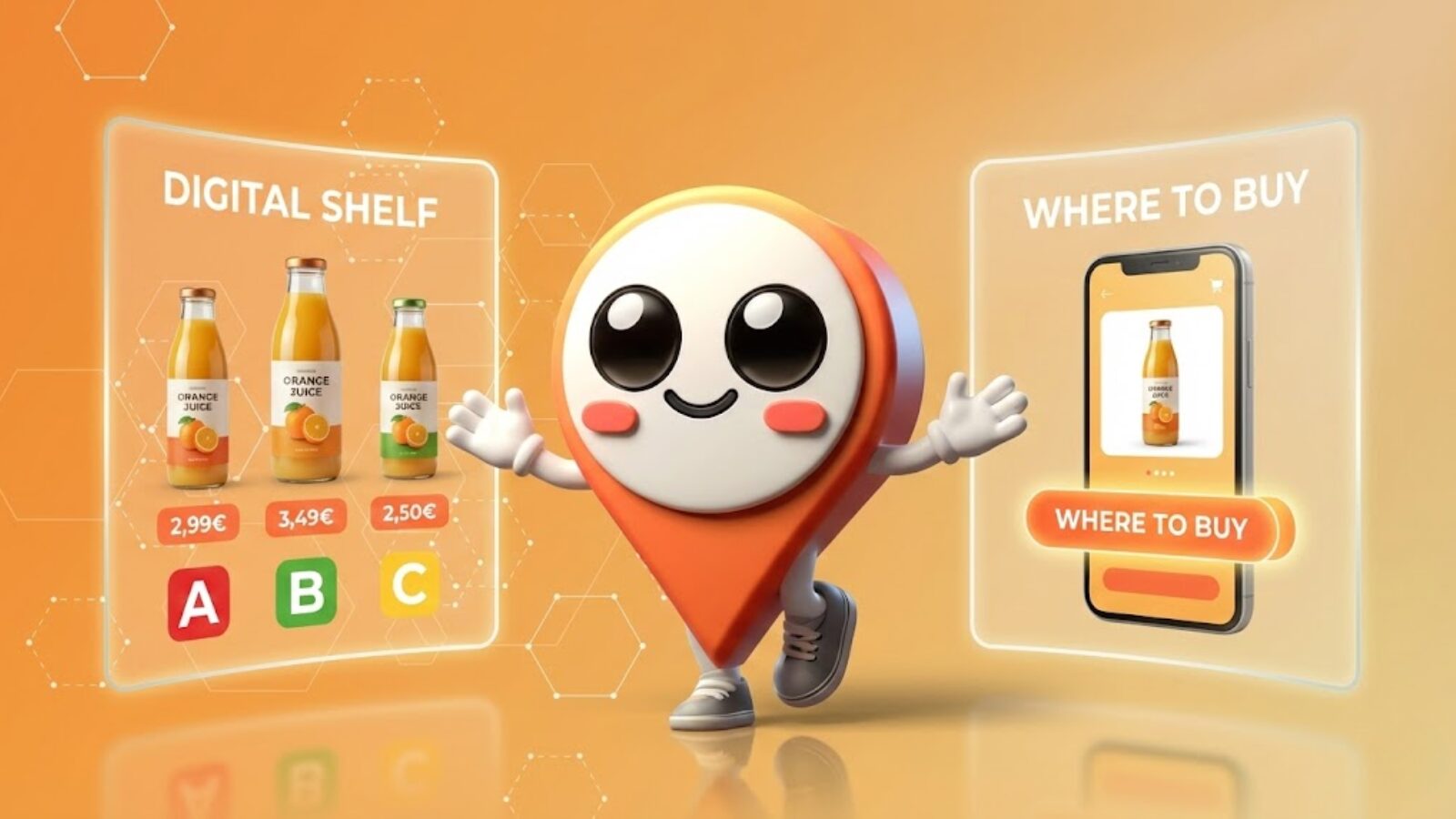
The answer is not one more dashboard. It is the connection between digital shelf analytics and where to buy. In other words, linking what the consumer sees such as price, stock, and visibility to what they do such as click, redirect, and retailer choice. That is when we start talking about purchase intent.
The reality on the ground data everywhere but not connected
On the e retail side, you already have distributor price and stock monitoring. You track stockouts, pricing gaps, and sometimes even MSRP compliance. On the marketing side, you have clicks, campaigns, and sessions.
The problem is that these data points live in silos. Multi retailer price visibility is not connected to redirects. Price gap alerts are not cross checked with traffic spikes. The result is simple: you see symptoms, never the full journey.
In most cases, a conversion drop does not come from weak creative. It comes from a stockout, a price that is too high at the most clicked retailer, or poor digital coverage. But without connecting the data, you blame the wrong lever.
Why digital shelf on its own is not enough
A digital shelf platform for mid sized businesses gives you an accurate snapshot: availability rate, pricing compliance across the distributor network, and online stockout tracking. That is essential.
But it does not tell you whether the consumer tried to buy. It does not tell you which retailer they moved toward. And it does not tell you whether a pricing gap actually reduced intent.
In other words, digital shelf measures the environment, not the movement.
What changes when digital shelf is connected to where to buy
When you connect your retail monitoring to a where to buy solution, you finally link exposure and action.
In practical terms:
- You identify which retailers actually capture intent through clicks.
- You compare those clicks with the observed price level.
- You detect whether an online stockout diverted traffic to a competitor.
- You measure the real performance of each campaign all the way to the digital or physical point of sale.
That is when you move from surface level reporting to omnichannel distribution management. You are no longer just looking at product presence. You are analyzing buying dynamics.
Measuring online purchase intent the right way
Intent is not something you declare. It is read through weak signals such as a click to a retailer, repeated consultation of a point of sale, or a redirect after price comparison.
Well used real time retail data for brands helps you understand:
- Which marketing channel generates the most qualified redirects.
- Which retailer is preferred at the same price level.
- At what pricing gap intent starts to fall.
- How digital and physical retail coverage influences the final choice.
That is exactly what a distribution analysis tool for brands connected to partner redirects makes possible. You are no longer guessing. You are observing.
Avoid: analyzing media performance without considering stockouts or a distributor that is not compliant with MSRP. You may end up optimizing the wrong lever.
From showcase site to transactional entry point
Many brand websites still act as catalogs. With an intelligent redirect module, they become conversion accelerators. Each product page can include dynamic logic: show available distributors, redirect to an alternative in case of stockout, or prioritize a strategic partner.
Combined with a landing page editor, you can adapt the experience by campaign, country, or product range. It is no longer just a button. It is a business lever.
Connecting marketing performance and retail reality
CMOs want to justify budgets. Brand Managers want stronger negotiation arguments. Retail Managers want a clear view of the network.
By connecting indirect distribution analytics for brands with redirects, you get a usable reading:
| Observed signal | Possible reading | Concrete action |
|---|---|---|
| High traffic, low retailer click through | Product interest but friction on price or availability | Check pricing compliance and stock |
| Clicks concentrated on one retailer | Market preference or better pricing | Strengthen the partnership or negotiate more visibility |
| Sudden drop in redirects | Stockout or significant pricing gap | Trigger a distributor price gap alert |
This type of analysis changes the internal conversation. You talk about facts, not impressions.
And if you want to go further on measuring in store impact, you can read more here. It is the same logic: connect intent and action.
We see it in the field: brands that connect digital shelf and where to buy make better decisions. They arbitrate media budgets with a retail view. They detect competitive gaps faster. They manage their network using concrete data, not assumptions.
This is not about one more tool. It is about data architecture. Connect visibility, price, stock, and retailer clicks. The rest follows.
You can also explore related topics here and here.
How do you connect digital shelf and where to buy to track the buying journey and measure online intent?
By connecting your digital shelf data such as price, stock, and visibility with your where to buy solution, you can track every step of the buying journey. You identify online intent signals such as clicks to distributors, product availability, and pricing gaps, and finally measure what really turns interest into action.
Why combine digital shelf and where to buy to better understand online purchase intent?
Because digital shelf shows what your customers see such as price, stock, and positioning, while where to buy reveals what they actually do such as clicks to distributors and point of sale selection. Together, they turn scattered data into a clear view of purchase intent and omnichannel performance.
How much data do you need to connect in order to track the omnichannel buying journey effectively?
Not dozens of metrics, just the right ones. By connecting key digital shelf data such as price, stock, and visibility with where to buy data such as clicks, redirects, and chosen distributors, you get a clear view of the journey and the real signals of purchase intent.
20 reviews

Maxence Antao, Communications Manager at Click2Buy
“Our role at Click2Buy is to guide our clients throughout the buying journey and optimize their marketing ROI thanks to real time retailer stock data.”