
Un Where to Buy, c’est souvent vendu comme un outil pour « connecter les consommateurs aux distributeurs ». C’est vrai. Mais ce cadrage rate l’essentiel : les données Where to Buy sont ce qui transforme cet outil en véritable capteur business. Et selon ce qu’il remonte – ou pas -, les équipes marketing pilotent en aveugle ou avec une vraie visibilité sur ce qui déclenche réellement l’achat.
Le problème qu’on voit souvent sur le terrain avec les données Where to Buy
La plupart des marques en distribution indirecte ont mis en place un Where to Buy. Beaucoup se contentent d’un affichage de liens vers leurs revendeurs. Le résultat : elles savent que des gens ont cliqué. Elles ne savent pas combien ont acheté, chez qui, depuis quel canal, après quelle campagne.
Ce n’est pas un problème technique. C’est un problème de définition de ce qu’on attend de l’outil. Un bouton « où acheter » sans tracking structuré, c’est une porte qu’on ouvre sans savoir si les gens entrent ou repartent. Sans données Where to Buy exploitables, on reste dans le noir.
Pour les CMO qui doivent justifier leurs budgets ou les Brand Managers qui gèrent des dizaines de références chez plusieurs distributeurs, la qualité de la donnée retailer est devenue un sujet stratégique – pas une option de reporting.
Les 5 données Where to Buy qui doivent vraiment remonter
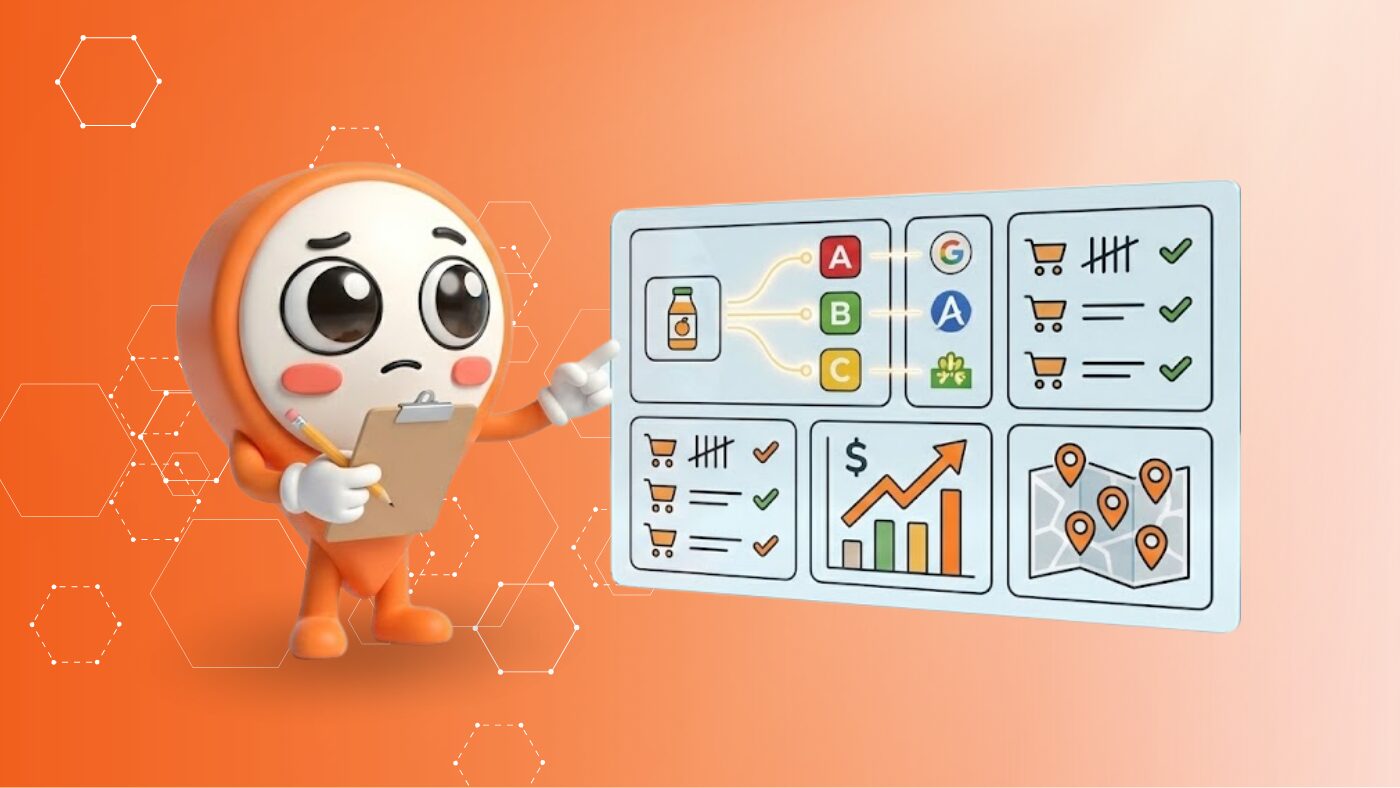
On distingue cinq niveaux de données. Chacun a une utilité différente selon les équipes.
- Les données de trafic et de conversion : clics vers les distributeurs, taux de conversion par retailer, par produit, par device. C’est la base. Sans ça, on ne sait pas quel partenaire performe.
- Les données produit : disponibilité en temps réel, ruptures détectées, nombre de distributeurs qui référencent effectivement le produit. Un produit absent du stock d’un retailer, c’est une opportunité manquée – souvent invisible sans ce niveau de suivi.
- Les données campagne : quel canal (social, email, search, display) génère de l’intention d’achat réelle chez les distributeurs. C’est ce qui permet de distinguer une campagne qui fait du bruit d’une campagne qui vend.
- Les données de pricing : les prix pratiqués par chaque distributeur, les écarts entre revendeurs, les signaux de décrochage concurrentiel. Utile pour les négociations commerciales, souvent sous-exploité.
- Les données géographiques : performances par zone, par pays, par région. Indispensable dès qu’on a un réseau de distribution hétérogène.
Ces données Where to Buy ne servent pas qu’au reporting. Elles alimentent les décisions : réallocation de budget, ajustement des messages, priorisation des partenaires à activer. Du clic à l’intention d’achat, certains KPIs révèlent ce que les autres cachent.
Ce que chaque équipe fait concrètement des données Where to Buy
Les mêmes données ne servent pas aux mêmes personnes de la même façon. Voici comment elles se répartissent en pratique :
| Équipe | Données prioritaires | Usage concret |
|---|---|---|
| CMO / Direction marketing | Conversion par canal, ROI campagnes | Justifier les budgets, arbitrer entre canaux |
| Brand Manager | Disponibilité produit, présence chez les retailers | Suivre le référencement, détecter les ruptures |
| Retail Manager | Trafic qualifié par distributeur, pricing | Piloter les négociations, valoriser les partenaires |
| Équipe digitale / performance | Clics, taux de conversion, données device | Optimiser les campagnes, améliorer le parcours d’achat |
Ce qui coince souvent avec les données Where to Buy dans la pratique
Souvent, les données existent mais elles sont éparpillées. Un peu dans Google Analytics, un peu dans le back-office du prestataire, un peu dans des exports Excel mensuels. Résultat : personne ne les lit vraiment, et les décisions se prennent à l’instinct. Une analyse récente sur la fragmentation du retail media confirme ce constat : quand les signaux commerciaux vivent dans des environnements séparés, comparer la performance et allouer les budgets devient un pari plutôt qu’une décision.
L’autre problème classique : les données de conversion ne sont pas fiables parce que le Where to Buy ne trackait pas les redirections vers les distributeurs de façon structurée. On sait qu’il y a eu des clics. On ne sait pas ce qui s’est passé après.
Un analytics retail exploitable suppose que le Where to Buy soit pensé dès le départ comme un outil de mesure – pas comme un simple widget d’affichage. C’est une décision d’architecture, pas un réglage qu’on ajoute après coup.
Comment passer d’un Where to Buy vitrine à un vrai pilotage par la donnée
La première étape, c’est de définir ce qu’on veut mesurer avant de choisir ou de reconfigurer sa solution. Pas l’inverse. Trop de marques choisissent un outil, puis se demandent ce qu’elles peuvent en tirer.
Concrètement, ça veut dire poser trois questions simples : est-ce que je peux voir quelle campagne a généré de l’intention d’achat chez mes distributeurs ? Est-ce que je sais quels retailers convertissent le mieux mes visiteurs ? Est-ce que je suis alerté quand un produit est en rupture chez un partenaire clé ?
Si la réponse à l’une de ces questions est non, le suivi des ventes indirectes est incomplet. Et les budgets marketing sont partiellement investis à l’aveugle. Mesurer l’impact réel de ses campagnes sans e-commerce direct est possible – à condition d’avoir les bons capteurs en place.
Le Where to Buy n’est pas une fin en soi. C’est un point de collecte. Ce qui compte, c’est ce qu’on fait des données Where to Buy qu’il remonte – et si ces données sont suffisamment précises pour prendre de vraies décisions.
Comment savoir si vos données Where to Buy sont vraiment exploitables ?
Un Where To Buy performant doit remonter bien plus que de simples clics. Taux de conversion par retailer, disponibilité produit, comportements d’achat, performances par zone géographique : ce sont ces données Where to Buy qui permettent aux équipes marketing de prendre de vraies décisions, et non de naviguer à l’aveugle.
Pourquoi les données Where to Buy sont-elles si précieuses pour le marketing ?
Parce qu’elles transforment un simple bouton « où acheter » en véritable outil d’intelligence commerciale. Savoir quel retailer convertit le mieux, où les stocks sont insuffisants, ou encore quelles régions sous-performent : autant d’informations qui permettent d’ajuster ses campagnes, d’optimiser ses investissements et de mieux comprendre le parcours réel de ses acheteurs.
Comment exploiter les données Where to Buy pour booster ses performances marketing ?
En commençant par identifier les bons indicateurs : taux de clics vers les retailers, taux de conversion, ruptures de stock, et comportements par device ou par région. Une fois ces données Where to Buy centralisées et lisibles, elles deviennent un levier concret pour affiner ses messages, réallouer ses budgets et identifier les retailers qui méritent plus d’attention.
8 avis

Maxence Antao, Chargé de communication chez Click2Buy
« Notre rôle chez Click2Buy : guider nos clients tout au long du parcours d’achat et optimiser leur ROI marketing grâce aux stocks retailers en temps réel. »