
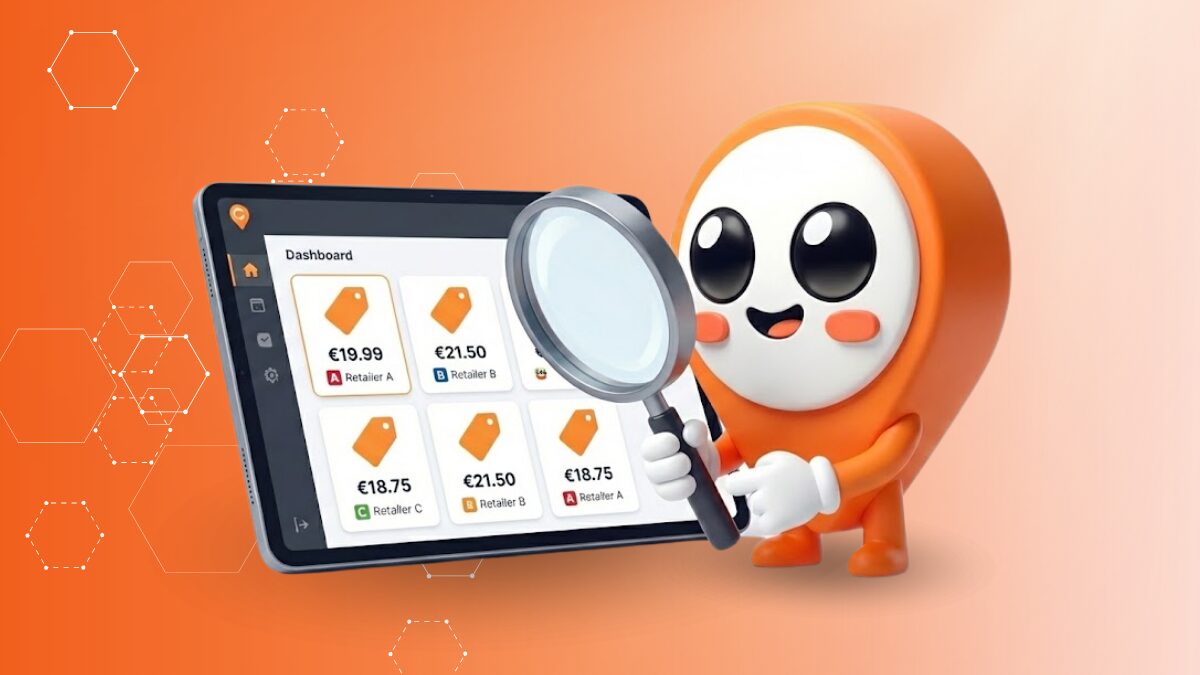
E commerce price monitoring automate distributor price tracking
You launch a campaign. Traffic grows. Clicks to your distributors follow. Then comes the surprise: one partner cuts prices, another goes above MSRP, and a third is out of stock. The result is network tension, weaker margins, and lower conversion.
If you work with indirect distribution, you already know this: price is a business lever, but also a source of imbalance. Without e commerce price monitoring, you are managing blindly.
The reality on the ground manual tracking no longer works
Many marketing or trade teams still rely on manual checks. A few screenshots. An Excel file. One monthly review.
The problem is that prices change every day, sometimes several times a week. Between local promotions, marketplace activity, and algorithmic adjustments, manual online price monitoring quickly becomes outdated.
In most networks, pricing gaps can remain invisible for several days. That is enough to:
- Damage the relationship with a compliant distributor.
- Undermine the brand’s value perception.
- Create a precedent that is difficult to correct.
At that stage, this is no longer just a marketing issue. It is a commercial one.
Why automation changes everything
Automated retail price monitoring makes it possible to move from occasional checks to continuous oversight. Prices are collected automatically. Gaps are detected. Alerts are triggered in real time.
In practical terms, you can:
- Set up a distributor price gap alert as soon as a threshold is exceeded.
- Check e commerce msrp compliance across the entire network.
- Track promotional price changes by country or by retailer.
- Connect price and availability through a price and stock monitoring solution.
You no longer suffer from pricing gaps. You anticipate them.
Connecting pricing and marketing performance
One key point many teams overlook: price directly affects media performance.
You invest in paid social or search. You redirect traffic to partners through a where to buy module. If the most clicked distributor shows a price that is 15 percent higher than competitors, conversion drops. Not because of your creative. Because of pricing.
Automating distributor price tracking also means protecting your media ROI.
To go further on how friction affects performance in the buying journey, this article explains it well. Price is often part of the problem.
Decision tree should you automate your price monitoring
→ Yes: manual tracking is becoming risky.
2. Do you have an MSRP policy or a contractual pricing framework?
→ Yes: without automated pricing compliance monitoring, you lose credibility.
3. Do your campaigns drive traffic to retailers?
→ Yes: pricing directly affects your marketing performance.
If you answered yes to at least two questions, automation is no longer a comfort. It is a management lever.
From price checks to strategy
Good competitive price positioning analysis is not just about observing. It supports decision making.
With real pricing data for indirect distribution, you can:
- Identify distributors that are consistently aggressive on price.
- Spot those that overprice your products.
- Adjust your commercial negotiations.
- Refine your retail pricing strategy management by channel.
That is where data creates value. Not in reporting. In action.
Connecting price, presence, and data quality
Another point that is often underestimated is retailer data quality. Poor product mapping, duplicated references, or incorrectly identified bundles distort the analysis.
Before you automate anything, make sure your foundation is clean. This article covers that in more detail. Without a solid base, price monitoring becomes less reliable.
What a platform connected to the buying journey makes possible
At Click2Buy, price monitoring does not exist in isolation. It is connected to redirects, clicks, and distributor performance. You know not only who is charging what, but also which retailer is actually capturing purchase intent.
The back office makes it possible to cross reference:
| Price data | Behavioral data | Business reading |
|---|---|---|
| Price above MSRP | Drop in clicks to the retailer | Immediate loss of attractiveness |
| Price below market | Increase in redirects | Risk of network tension |
| Stable price but out of stock | Clicks redirected elsewhere | Competitive opportunity |
You then move from simple multi retailer price monitoring to a full understanding of the buying journey.
Automating price monitoring is not about multiplying dashboards. It is about structuring the way you manage. Less time spent collecting data. More time spent making decisions. For a broader view of the tools available, you can also look here.
How can you effectively automate distributor price tracking online?
By using a price monitoring tool connected to your distributors’ websites. It automatically collects prices, detects gaps, sends alerts when pricing is non compliant, and gives you a clear view to adjust your pricing strategy without spending your days in Excel.
Why should you automate e commerce price monitoring for your distributors?
Because prices change fast, very fast. Without automation, you react too late. With continuous monitoring, you spot pricing gaps immediately, protect your positioning, and stay in control of your distribution strategy.
How much time do you really save by automating e commerce price monitoring?
Much more than most teams expect. While manual checks can take hours every week, automated monitoring works continuously and only alerts you when it matters. Less manual control, more fast and informed decisions.
13 reviews

Maxence Antao, Communications Manager at Click2Buy
“Our role at Click2Buy is to guide our clients throughout the buying journey and optimize their marketing ROI thanks to real time retailer stock data.”