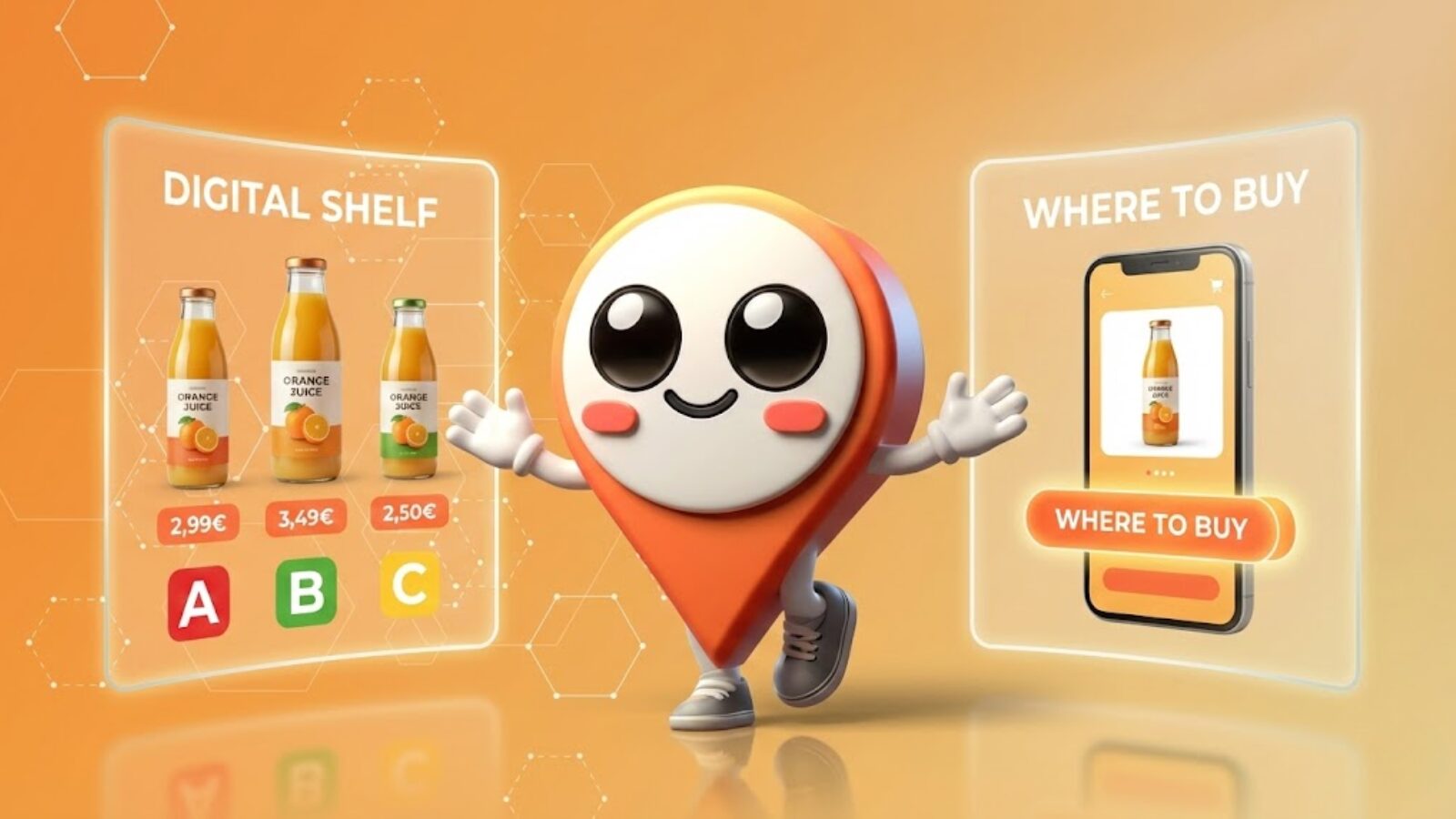
A where to buy tool is often presented as a way to “connect consumers with retailers”. That is true. But that framing misses the main point: a well configured where to buy tool is first and foremost a data collection point. Depending on what it captures, or fails to capture, marketing teams either operate blindly or gain real visibility into what actually drives purchase intent.
The problem we keep seeing in the field
Most brands selling through indirect distribution already have a where to buy tool in place. Many stop at showing links to their retail partners. The result is simple: they know people clicked, but they do not know how many bought, from which retailer, from which channel, or after which campaign.
This is not a technical issue. It is a definition problem. A “where to buy” button without structured tracking is like opening a door without knowing whether people walked in or turned around.
For CMOs who need to justify budgets, or Brand Managers handling dozens of SKUs across multiple retailers, retailer data quality has become a strategic issue, not just a reporting feature. You can see the same pattern in this article.
The data a where to buy tool should actually report
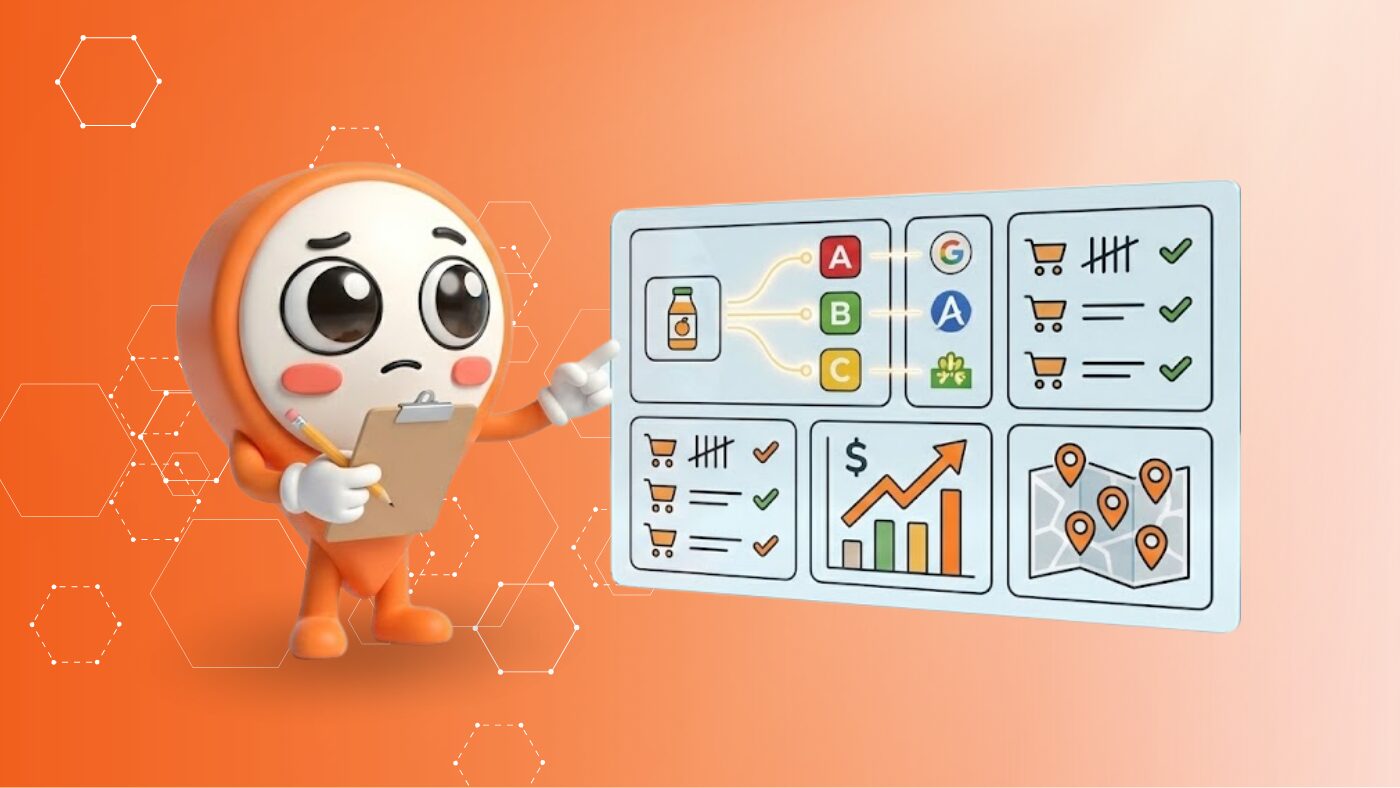
There are three main levels of data, and each serves a different purpose depending on the team using it.
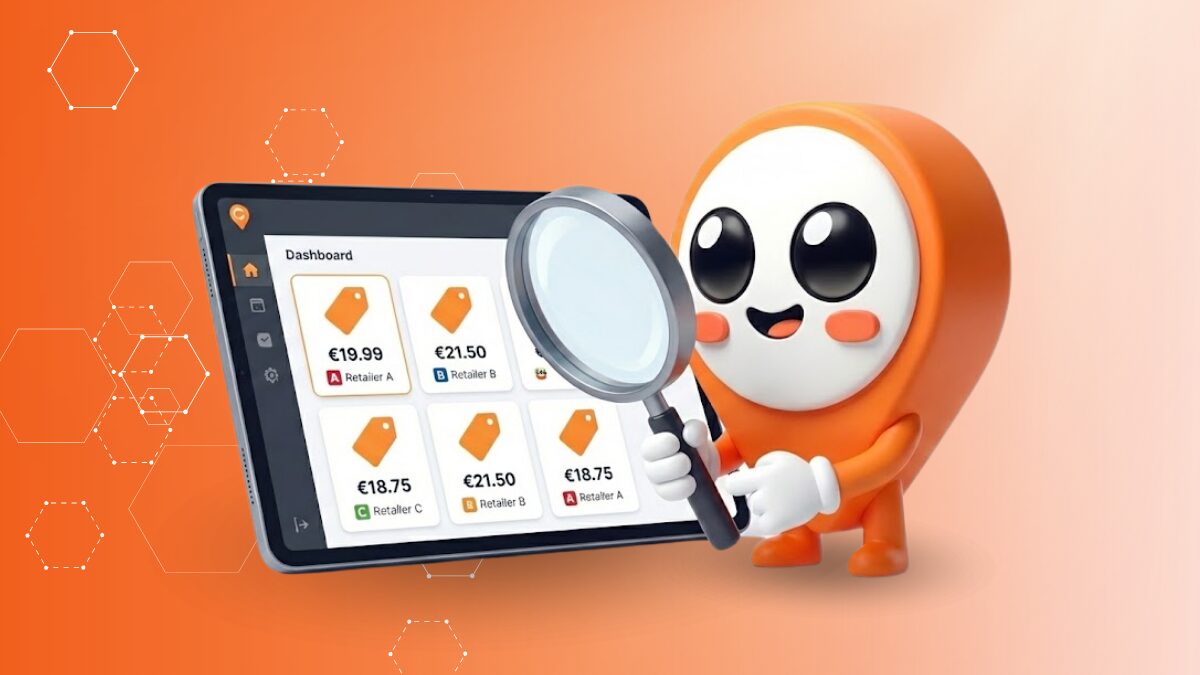
- Traffic and conversion data: clicks to retailers, conversion rates by retailer, by product, and by device. This is the foundation. Without it, you cannot tell which partner is performing.
- Product data: real time availability, detected out of stock issues, and the number of retailers that actually list the product. A product missing from a retailer’s inventory is a missed opportunity, and often an invisible one without this level of monitoring.
- Campaign data: which channel such as social, email, search, or display generates real purchase intent on retailer sites. This is what separates campaigns that create noise from campaigns that actually sell.
- Pricing data: prices set by each retailer, gaps between resellers, and signals of competitive drift. Useful for commercial negotiations, yet often underused.
- Geographic data: performance by area, country, or region. Essential as soon as you work with a varied distribution network.
These data points are not just for reporting. They feed decision making, budget reallocation, messaging adjustments, and partner prioritization. For a closer look at the signals that matter most, you can read more here.
How each team uses it in practice
The same data does not serve the same people in the same way. Here is how it usually breaks down:
| Team | Priority data | Practical use |
|---|---|---|
| CMO / Marketing leadership | Conversion by channel, campaign ROI | Justify budgets, arbitrate between channels |
| Brand Manager | Product availability, retailer presence | Monitor listings, detect out of stock issues |
| Retail Manager | Qualified traffic by retailer, pricing | Support negotiations, highlight strong partners |
| Digital / Performance team | Clicks, conversion rates, device data | Optimize campaigns, improve the buying journey |
What gets in the way in real life
In many cases, the data exists but it is scattered. A little in Google Analytics, a little in the provider back office, a little in monthly Excel exports. The result is that nobody really reads it, and decisions end up being made on instinct.
The other classic issue is unreliable conversion data because the where to buy tool was not built to track retailer redirects in a structured way. You know there were clicks. You do not know what happened next.
Usable retail analytics require a where to buy tool to be designed from the start as a measurement tool, not just a display widget. This is an architectural decision, not a setting you add later.
How to move from a showcase where to buy tool to a decision making tool
The first step is defining what you want to measure before choosing or reconfiguring your solution, not the other way around. Too many brands pick a tool first and only then ask what they can get from it.
In practical terms, that means asking three simple questions: can I see which campaign generated purchase intent at my retailers, do I know which retailers convert my visitors best, and am I alerted when a product is out of stock at a key partner?
If the answer to any of these questions is no, then your indirect sales tracking is incomplete. And part of your marketing budget is being spent blindly. The same issue also appears when brands try to connect marketing activity to real commercial outcomes, as explained on this page.
A where to buy tool is not an end in itself. It is a collection point. What matters is what you do with the data it sends back, and whether that data is precise enough to support real decisions.
How can you tell whether your where to buy tool is giving you the right data?
A high performing where to buy tool should report much more than basic clicks. Conversion rates by retailer, product availability, buying behavior, and performance by geographic area are the data points that allow marketing teams to make real decisions instead of operating blindly.
Why is where to buy data so valuable for marketing teams?
Because it turns a simple where to buy button into a real source of commercial intelligence. Knowing which retailer converts best, where stock is missing, or which regions are underperforming gives teams the information they need to adjust campaigns, optimize spend, and better understand the real buying journey.
How can you use where to buy data to improve marketing performance?
Start by identifying the right metrics: click through rates to retailers, conversion rates, out of stock events, and behavior by device or by region. Once that data is centralized and easy to read, it becomes a practical lever to refine messaging, reallocate budgets, and identify the retailers that deserve more attention.
17 reviews

Maxence Antao, Communications Manager at Click2Buy
“Our role at Click2Buy is to guide our clients throughout the buying journey and optimize their marketing ROI with real time retailer stock data.”