You launch a campaign. Traffic comes in. Clicks follow. And yet sales do not take off. On paper, everything looks fine. In reality, one invisible detail breaks the whole process: the product is out of stock at the retailer.
This is one of the most expensive blind spots in digital marketing. E-commerce stockouts do not show up in your dashboards. But consumers feel them immediately. And they quietly destroy your conversion rate.
The field problem nobody really reports
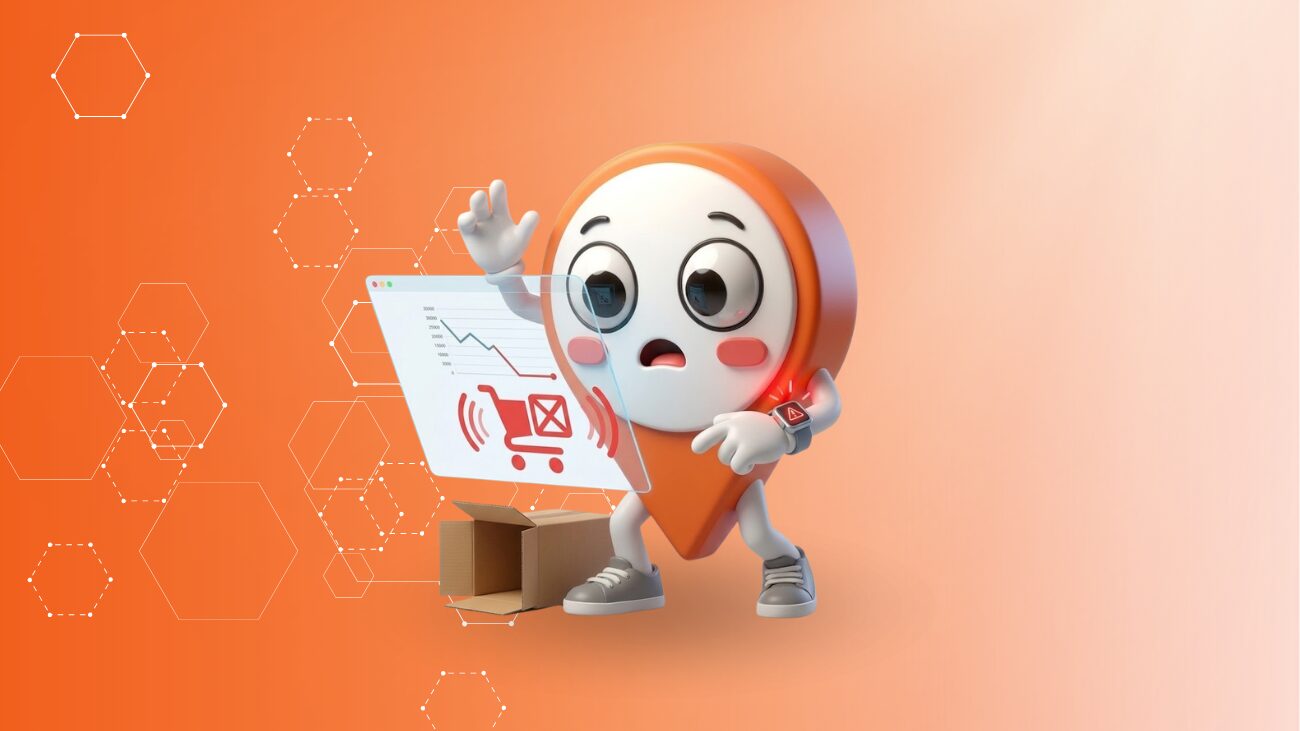
A user clicks. They are redirected to a retailer. The product is unavailable. End of journey.
In most cases, you do not even know it happened. Your campaigns keep running. Your budgets keep spending. But part of your traffic is being sent into a void.
That is where product availability monitoring becomes critical. Without visibility into retailer stock, you are managing blindly.
We see it all the time: strong campaigns that actually end up feeding competitors, because the shopper finds an alternative somewhere else.
Why the retail marketing chain breaks down
The problem is not the campaign. Not the message. Not even the targeting.
The problem is the disconnect between marketing and what is really happening in the field. You are optimizing clicks, but not omnichannel product availability.
Without multi retailer stock monitoring, it is impossible to know:
- where your products are actually available
- which retailers truly convert
- when a campaign is pushing an unavailable product
The result is a direct sales impact from unavailable stock, and it is often underestimated.
This topic is directly tied to retail data quality. If you want to explore that further, you can read more here.
What a real time alert changes in practice
A real time stock alert is not a gadget. It is a direct conversion lever.
In practical terms, you can:
- disable an out of stock retailer
- redirect to an available partner
- highlight a product alternative
- adapt your campaigns live
You move from a passive logic to a digital stockout prevention logic.
And that changes everything, because you no longer lose a user who was ready to buy.
Good practice: connect your campaigns to a real time product availability system so you avoid sending traffic to useless pages.
Avoid: continuing to optimize campaigns only around clicks or CPC without integrating stock data.
The role of where to buy in stockout management
Good online stock tracking is not enough on its own. You also need to act on the user journey side.
That is where where to buy becomes key. Not as a simple directory of links, but as a conversion orchestrator.
For example, a connected where to buy solution can:
- show only retailers with available stock
- prioritize the ones that perform best
- automatically redirect when a stockout happens
At that point, it is no longer just about redirection. It is about improving retail e-commerce conversion based on what is actually happening on the ground. You can also see a related angle in this article.
What you can measure and finally understand
Once the system is in place, you get a much clearer reading:
| Indicator | What it reveals |
| redirect rate to available products | the real quality of the journey being offered |
| volume of traffic lost to stockouts | direct business impact |
| performance by retailer | who is actually selling your products |
| average out of stock duration | how responsive your network is |
These data points change the internal discussion. You are no longer talking about clicks. You are talking about sales lost or saved.
And it ties directly into attribution challenges. If that matters to you, this explains the logic well.
A clear point of view
Today, continuing to manage campaigns without stock data simply does not work anymore.
You can have the best targeting, the best creative, and the best budget. If the product is not available, you lose.
On the other hand, integrating a stockout alert solution into your stack is probably one of the fastest ways to reduce sales loss caused by stockouts.
This is not a technical issue. It is a business issue.
Why does a stockout reduce conversion rates?
Because the user arrives with purchase intent and then faces an unavailable product. The result is frustration, immediate abandonment, and often a purchase from a competitor.
How does a real time alert improve conversion?
It lets you act immediately by redirecting to another retailer, highlighting an alternative, or stopping the campaign. Less friction means more sales.
How many sales can you lose without stock monitoring?
Far more than most teams expect. A single undetected stockout can affect an entire campaign and significantly reduce performance without anyone noticing.
17 reviews

Maxence Antao, Communications Manager at Click2Buy
“Our role at Click2Buy is to guide our clients throughout the buying journey and optimize their marketing ROI thanks to real time retailer stock data.”