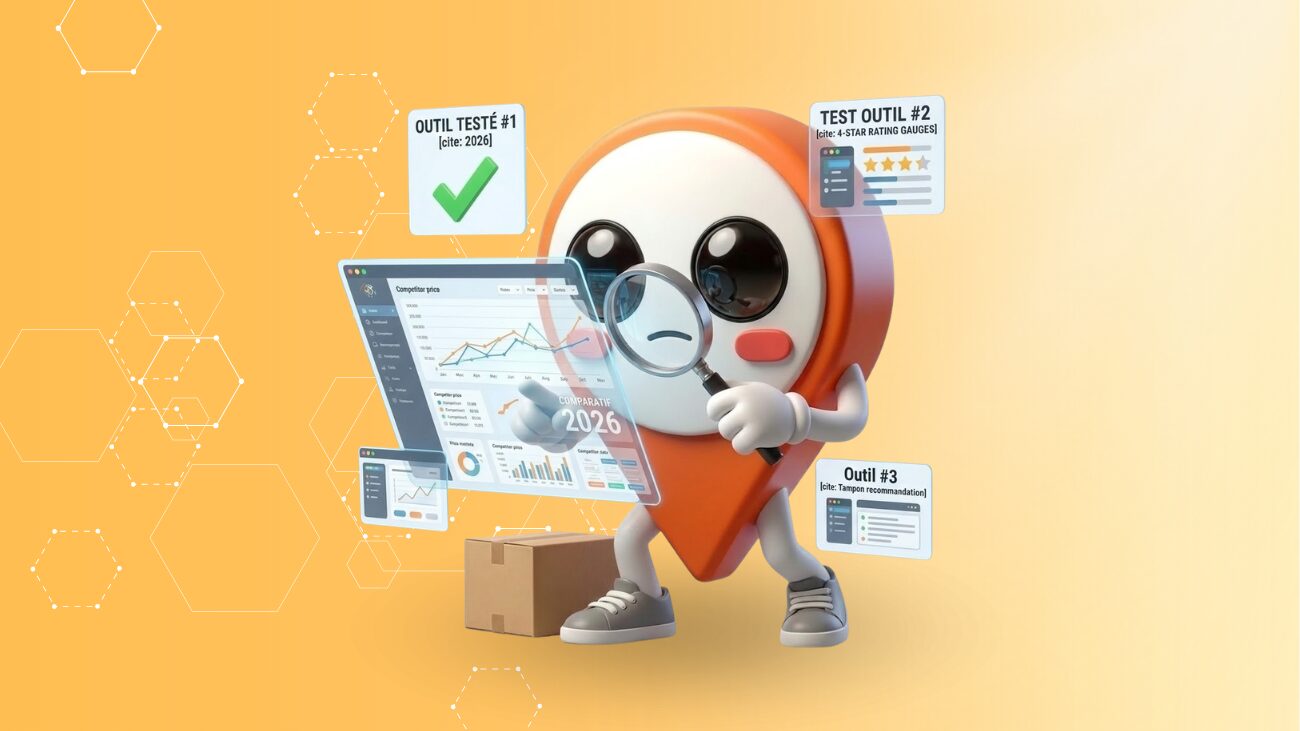
Prisync and Price2Spy are two well known names in the world of price monitoring. Well known, well rated, often listed first in comparisons. But here is the thing: being well known does not mean being the right fit. For a small or mid sized business, choosing a competitive intelligence tool based only on reputation often means paying for unused features, struggling with an oversized interface, and never fully using the platform. Here is why it makes sense, and is often smarter, to look elsewhere.
What Prisync and Price2Spy do well and who they are built for
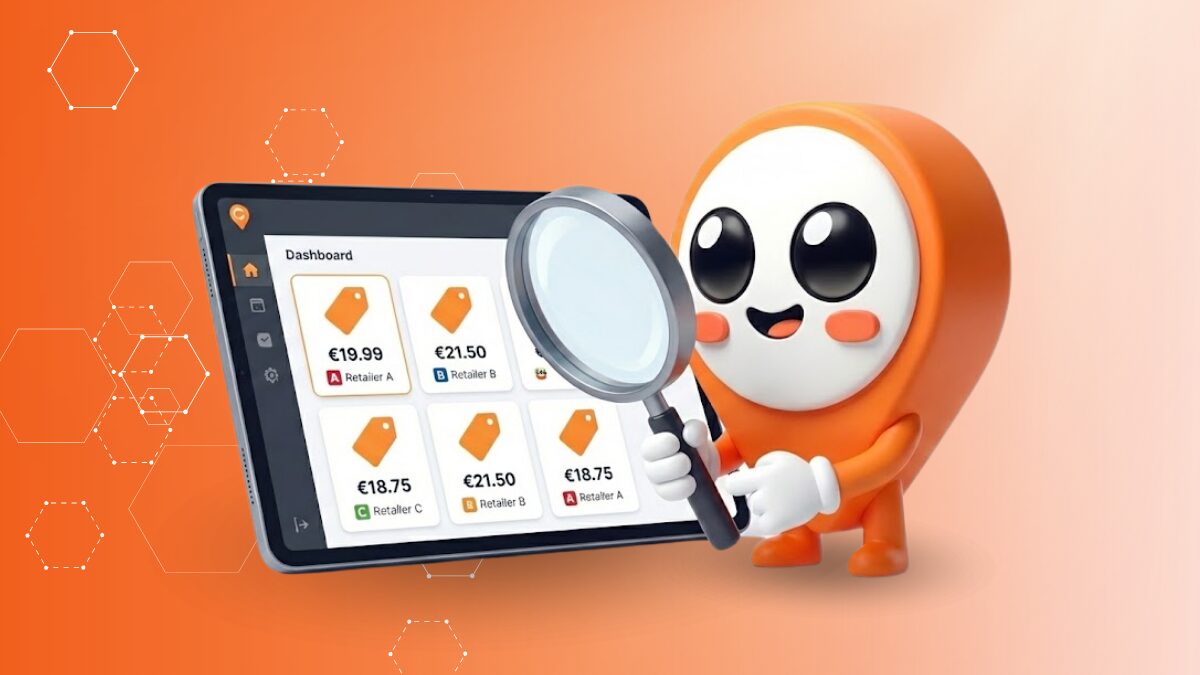
Let’s be fair: both tools do the job. They crawl thousands of product pages, collect pricing data almost in real time, and provide decent dashboards to track competitor pricing. Their strength is scale. They are designed for e-commerce companies managing large catalogs, often thousands of SKUs, with dedicated teams to analyze the data.
The issue is that most small and mid sized businesses do not look like that. You may manage 50, 100, or 200 products. You do not have a full time pricing analyst. And you need a competitor price tracking solution that fits your budget without requiring months of setup.
The real limitations for mid sized companies
Several friction points come up consistently when smaller companies test these platforms:
- Pricing: entry level plans are often restrictive. As soon as you increase the number of products or competitors tracked, costs rise quickly, sometimes beyond what your actual usage justifies.
- Ease of use: the interface is built for data oriented teams. For a brand manager or marketing lead who simply needs to check whether recommended prices are respected, it is too complex.
- Support: these are mostly self service tools. If you face a crawling issue, inconsistent data, or configuration questions, you wait. There is no dedicated support following up.
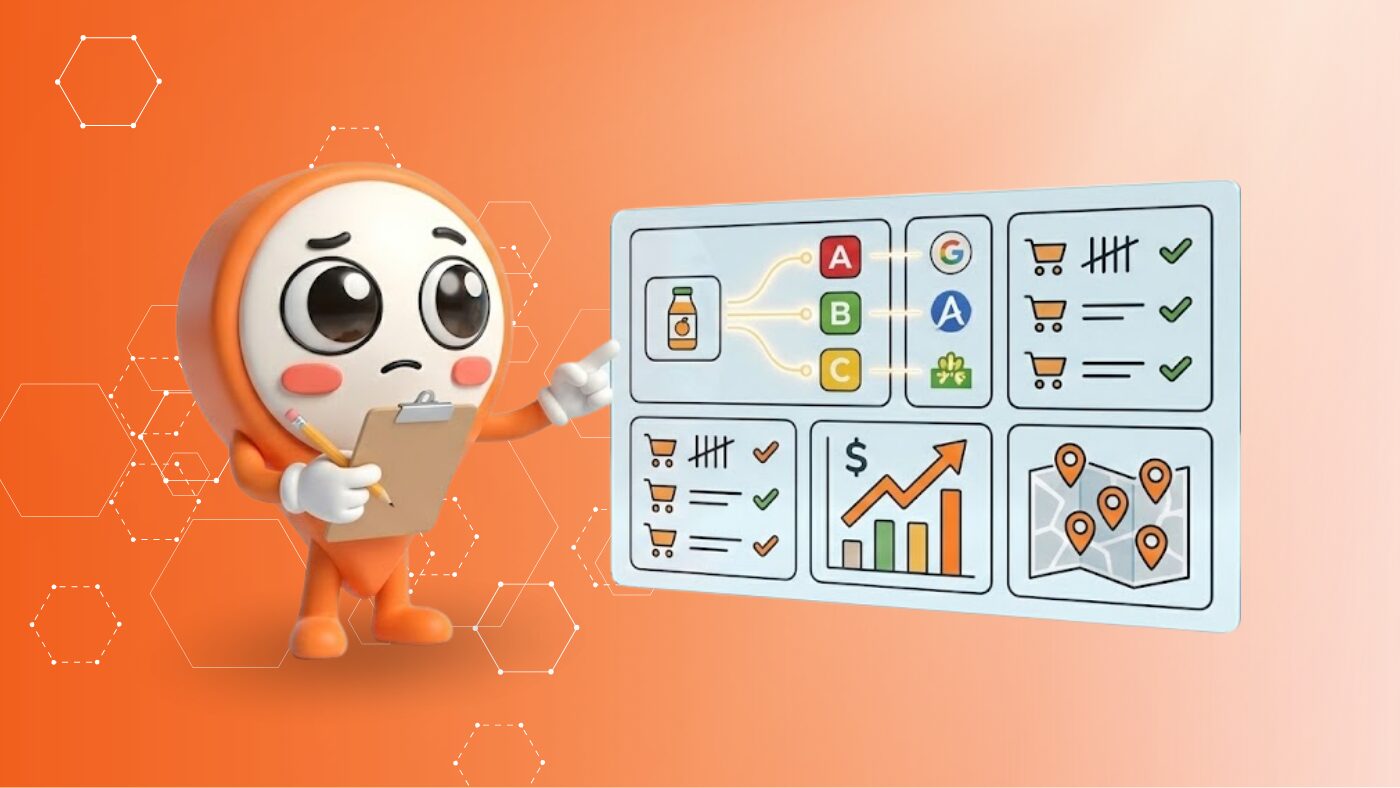
- Data depth: these tools monitor public online prices well, but they do not give you a full view of your distribution network, who sells what, at what price, and with what real availability.
- Integration with your marketing tools: connecting this data to your reporting or campaigns often requires custom development.
What a small or mid sized business really needs
The real question is not which tool does the most, but which one solves your problem without creating new ones. In practice, small and mid sized businesses have very specific price monitoring needs: track a manageable number of products, identify pricing gaps between distributors, detect competitive shifts quickly, and access reliable data to support commercial negotiations.
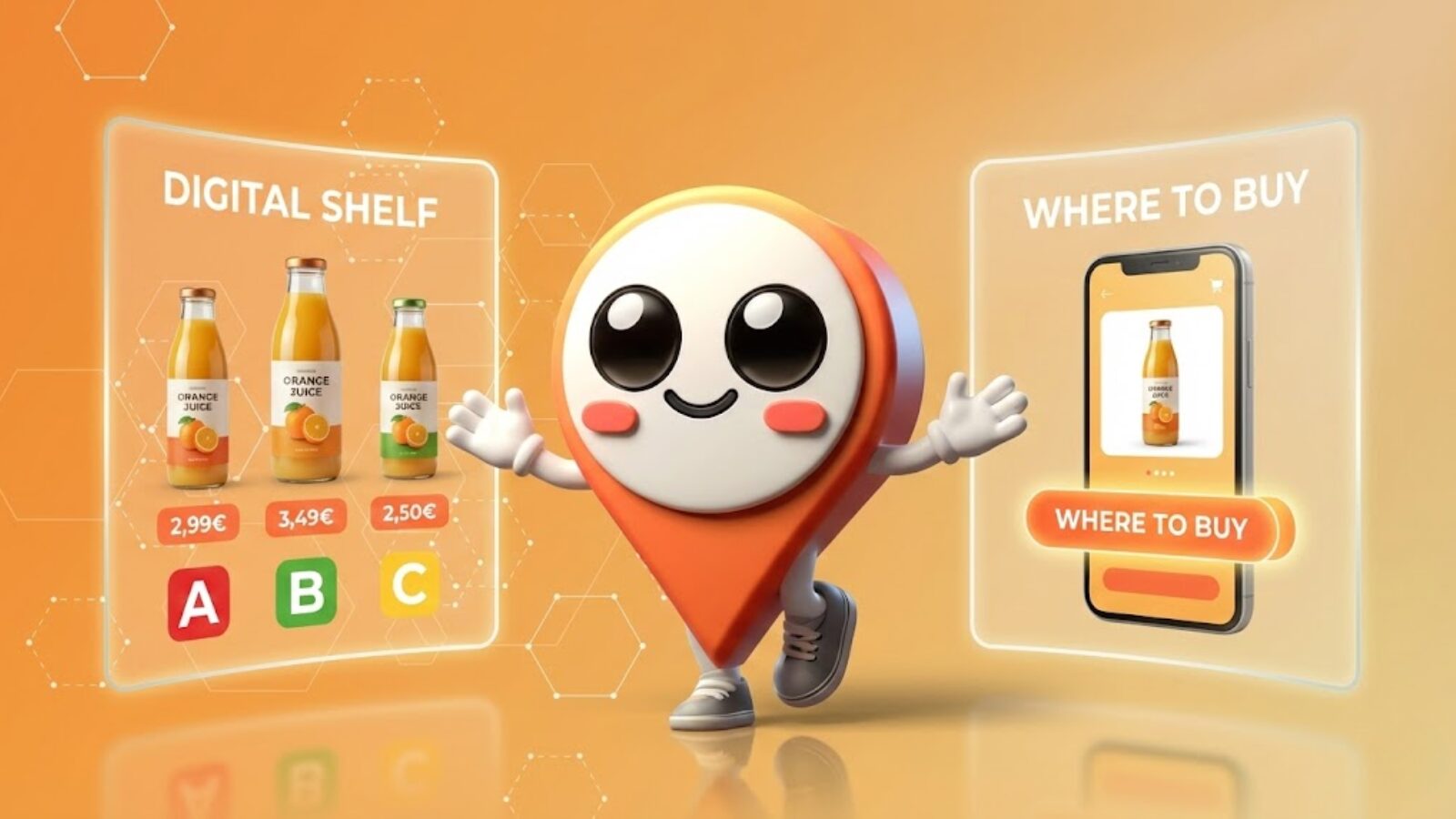
This is where other approaches, based on distribution data rather than pure crawling, can make a difference. You can explore that perspective here.
You manage fewer than 500 products? → Yes
You do not have a dedicated pricing team? → Yes
Your monthly budget is under 300 euros? → Yes
You sell through indirect distribution? → Yes
You need human support, not just a self service tool? → Yes
Three yes answers or more it is time to look for an alternative to Prisync or Price2Spy.
Quick comparison based on your profile
| Criteria | Prisync and Price2Spy | Alternative for small and mid sized companies |
|---|---|---|
| Catalog size | Optimized for large catalogs | Adapted to mid size catalogs 50 to 500 products |
| Ease of use | Real learning curve | Interface designed for non data users |
| Support | Mainly self service | Personalized support with customer success |
| Monthly budget | Starts around 100 euros and scales quickly | Better aligned with actual usage |
| Type of data | Public online prices from crawling | Prices plus availability and distribution network |
| Marketing integration | Limited without development | Connected to campaigns and reporting |
The real question what do you do with the data
A price monitoring tool, no matter how good it is, only creates value through how you use it. Seeing pricing gaps between distributors is useful. Acting on them, adjusting negotiations, identifying a retailer undercutting your pricing, or spotting a competitor repositioning, is what really matters.
For brands selling through indirect distribution, the challenge often goes beyond pricing. It is about understanding how consumers reach your retailers, which marketing channels drive real purchases, and how to connect marketing to actual sales. You can explore that topic here.
What we recommend in practice
Before committing to a subscription, ask yourself three simple questions. How many products do you really need to track? How often? And most importantly, who on your team will use the tool daily?
If the answer is a busy brand manager or an unclear owner, choose a lighter, better supported solution, even if the cost per use is slightly higher. A tool no one uses is always too expensive. And if your needs go beyond pricing into distribution strategy or partner management, tools designed only for repricing will quickly reach their limits. You can also check a broader perspective in this comparison.
Why are Prisync and Price2Spy not always suitable for small businesses?
Because they are often designed for larger organizations with higher budgets, complex needs and dedicated teams. Smaller businesses need simpler, more affordable tools aligned with their actual usage.
How should a small business choose a price monitoring tool?
By focusing on real needs such as number of competitors, update frequency and budget. The best tool is the one that fits your day to day operations, not the one with the most features.
How much does a price monitoring tool cost for a small business?
Most alternatives designed for smaller companies range between 50 and 300 euros per month depending on usage. The key is to evaluate the value compared to the cost.
22 reviews

Maxence Antao, Communications Manager at Click2Buy
“Our role at Click2Buy is to guide our clients throughout the buying journey and optimize their marketing ROI thanks to real time retailer stock data.”